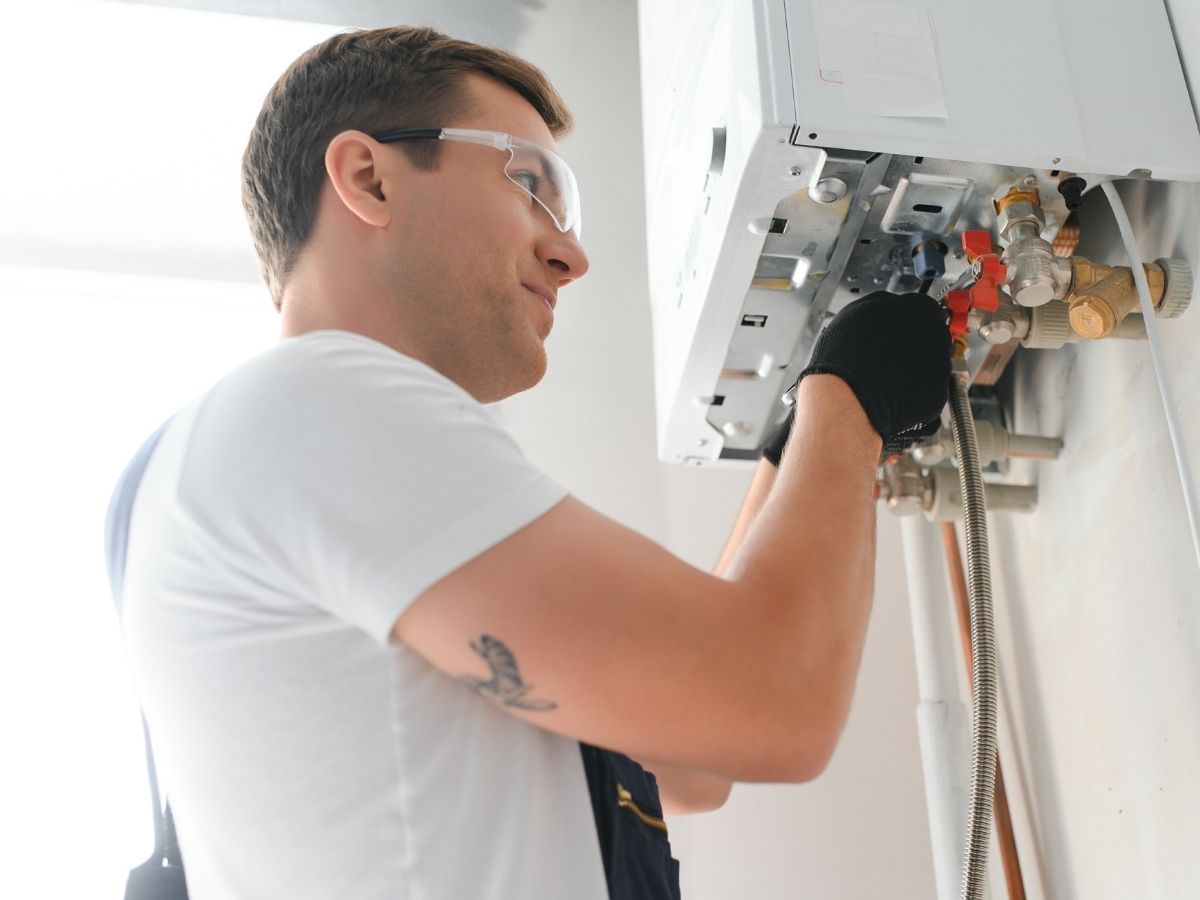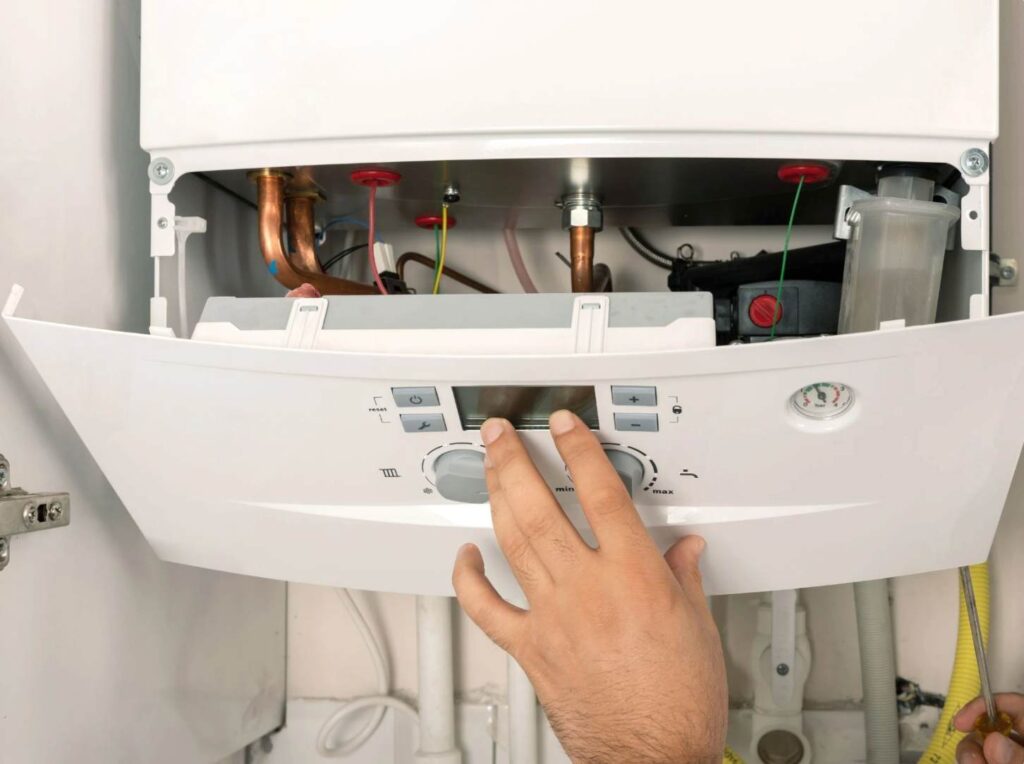
Combi boiler problems range from simple pressure drops you can fix in minutes to internal faults that need a Gas Safe engineer. Because a combi boiler provides both central heating and hot water on demand without a separate cylinder or tank, a single fault can leave your whole home without heating or hot water.
This guide covers the seven most common combi boiler faults our engineers diagnose across Newcastle and Gateshead, with honest advice on what you can safely fix yourself and when to call for professional help.
How Does a Combi Boiler Work?
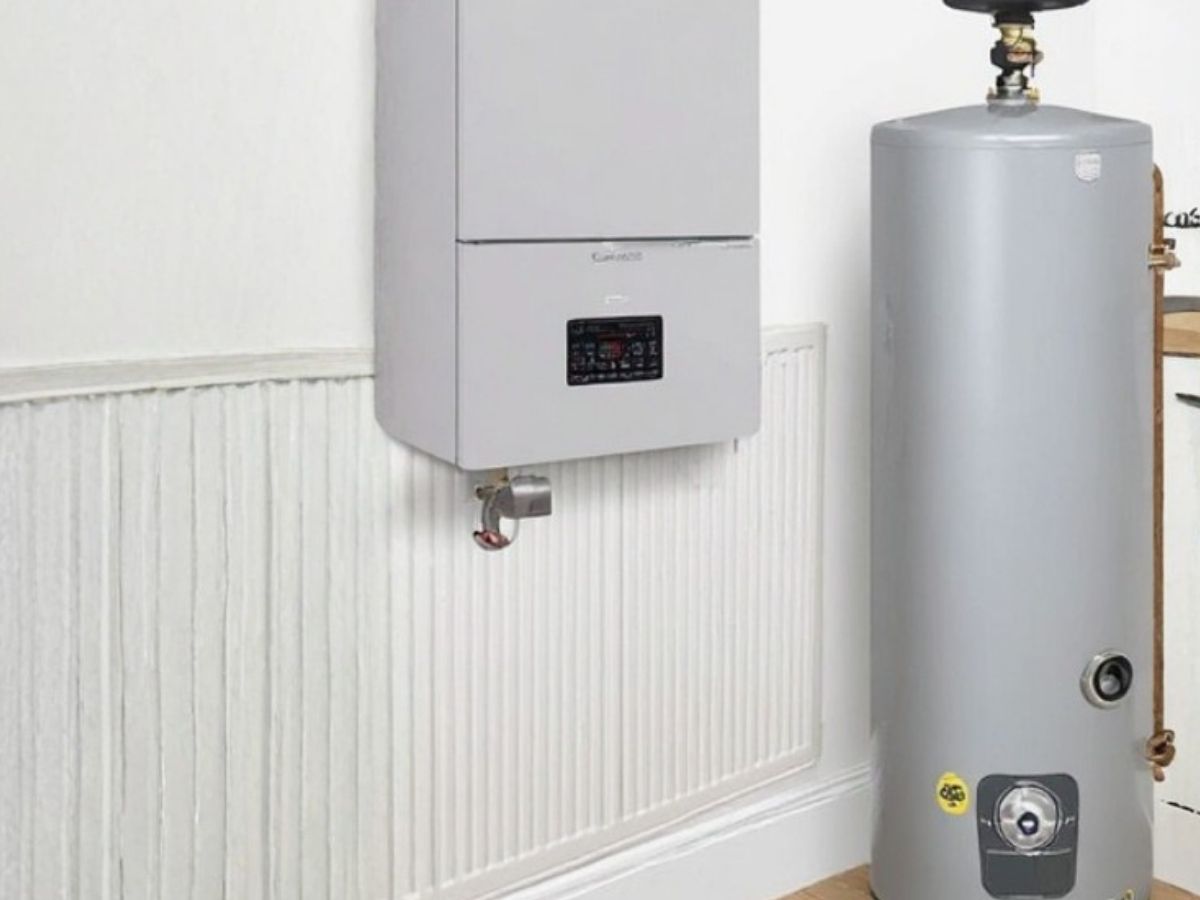
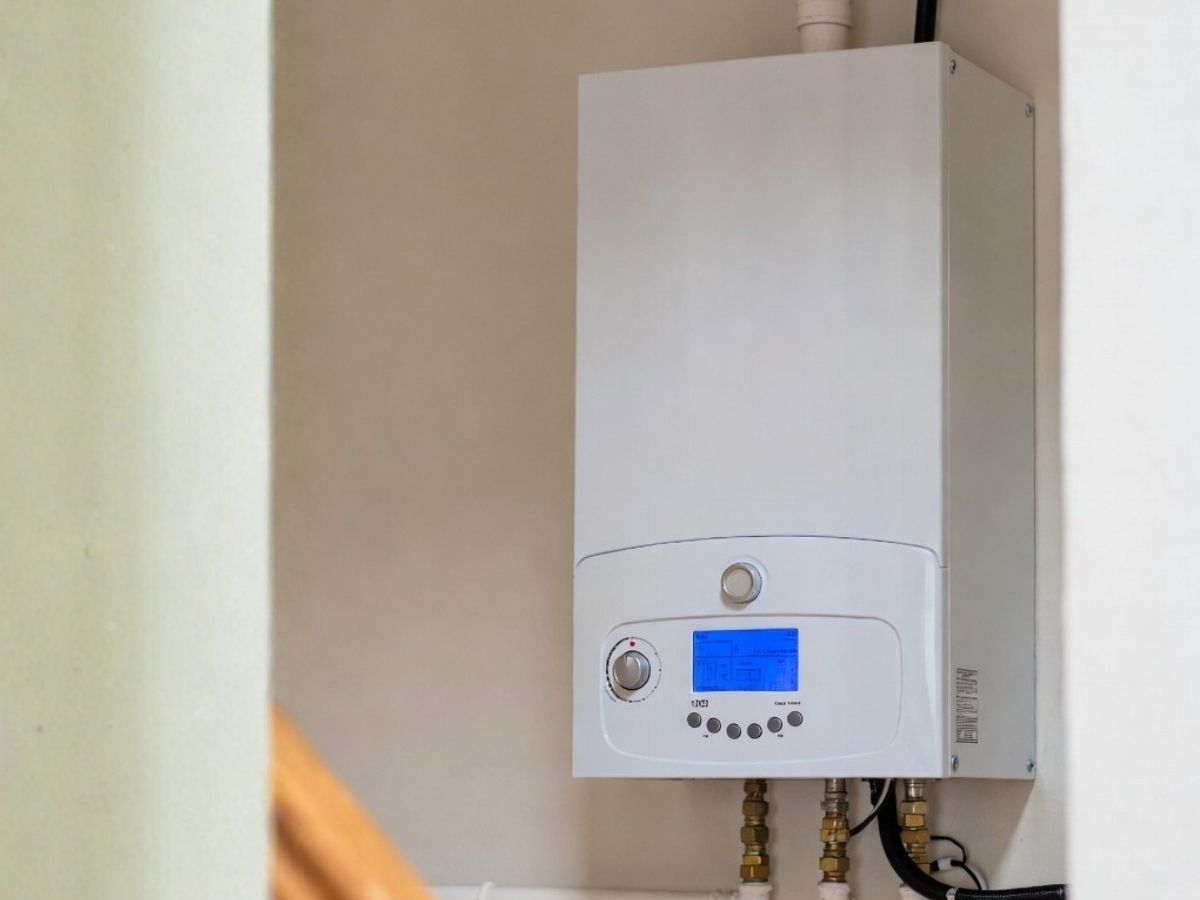
A combi (combination) boiler heats water directly from the mains supply the moment you turn on a hot tap or your thermostat calls for heat. There is no hot water cylinder or cold water storage tank, which makes combi boilers compact and responsive. Understanding the key advantages of a combi boiler can help you decide if your current setup is right for your home.
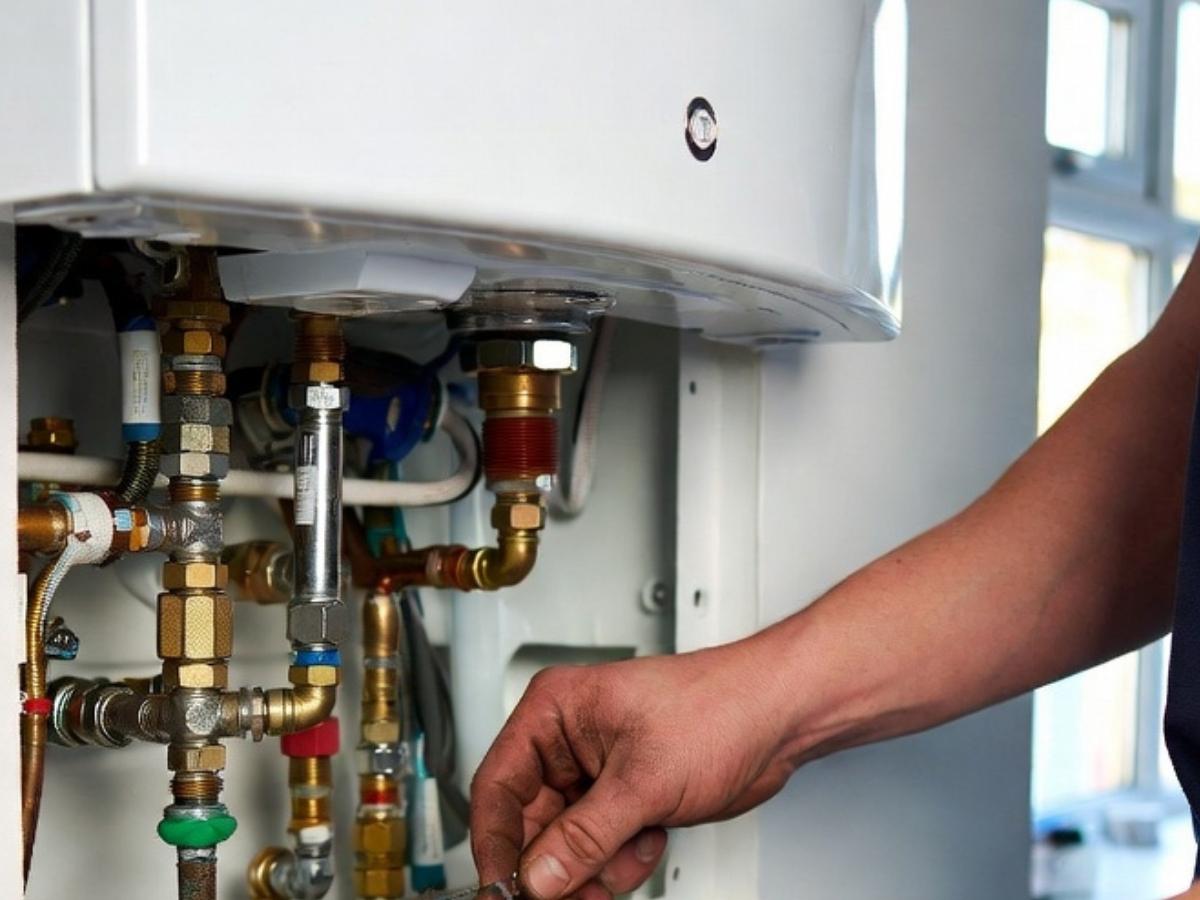
The key components you need to know about for troubleshooting are the heat exchanger (transfers heat from the gas burner to the water), the pump (circulates hot water around your radiators), the diverter valve (switches between heating mode and hot water mode), and the pressure sensor (monitors system pressure and locks the boiler out if it drops too low).
Understanding these parts helps you pinpoint which component is likely causing your problem when something goes wrong.
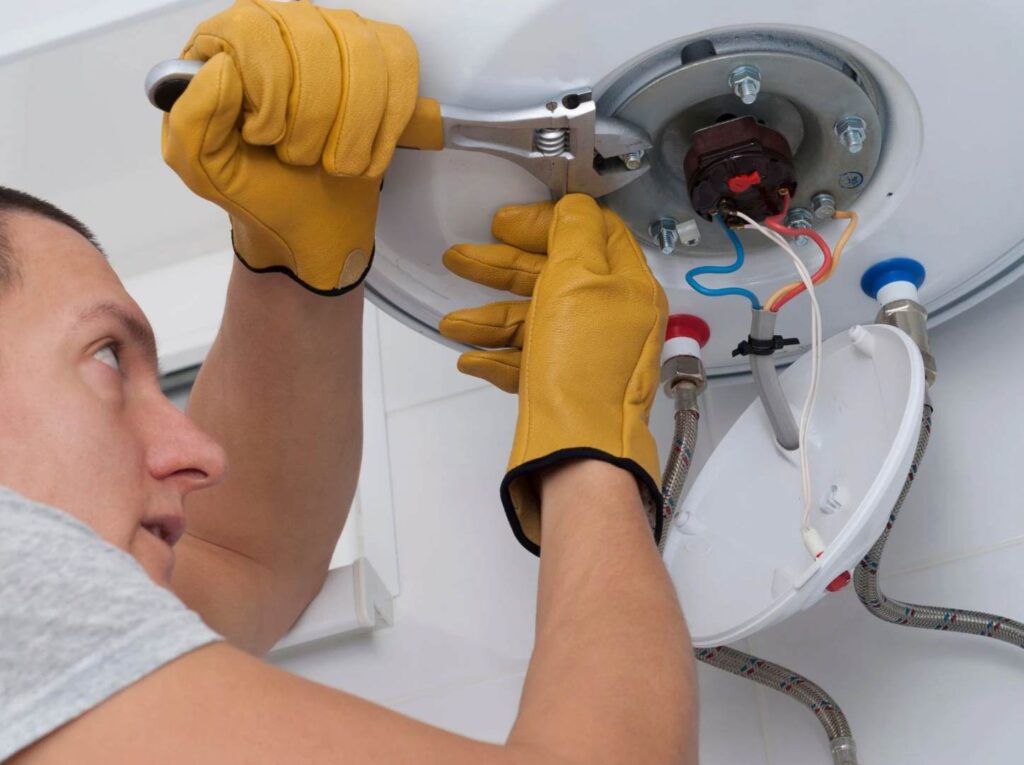
Most Common Combination Boiler Problems
The Seven most frequent issues affecting combi boilers are low water pressure, no hot water production, strange noises like kettling or banging, the boiler not turning on at all, and uneven heating throughout the home. These problems account for roughly 80% of all boiler faults reported by homeowners. For a broader overview of diagnosing issues, see our step-by-step boiler fault finding guide.
Before diving into specific solutions, check these basics first. Ensure your boiler has power by checking the display is lit. Verify your gas supply hasn’t been interrupted. Look at your thermostat settings to confirm they’re calling for heat. Check that your timer or programmer is set correctly for the current day and time.
If these initial checks don’t reveal the problem, work through the specific troubleshooting steps below for your particular issue.
1. Low Water Pressure — Why Does My Combi Boiler Keep Losing Pressure?
Low water pressure is the single most common combi boiler problem. Your boiler’s pressure gauge should read between 1 and 1.5 bar when the heating is off and cold. If it drops below 1 bar, most boilers will lock out and display an error code such as F22 (Vaillant), F1 (Ideal), or E119 (Baxi).
What Causes Low Boiler Pressure?
Pressure loss usually means water is leaving the sealed heating system somewhere. The most common causes are a small leak in a radiator valve, towel rail, or pipe joint that you may not notice because the water evaporates before pooling. Bleeding radiators also releases water from the system. Less commonly, the pressure relief valve may be faulty and releasing water through the external overflow pipe. For a deeper look at what causes this, read our guide on why boiler pressure keeps dropping.
How to Repressurise a Combi Boiler Step by Step
Step 1: Switch the boiler off and wait for the system to cool completely.
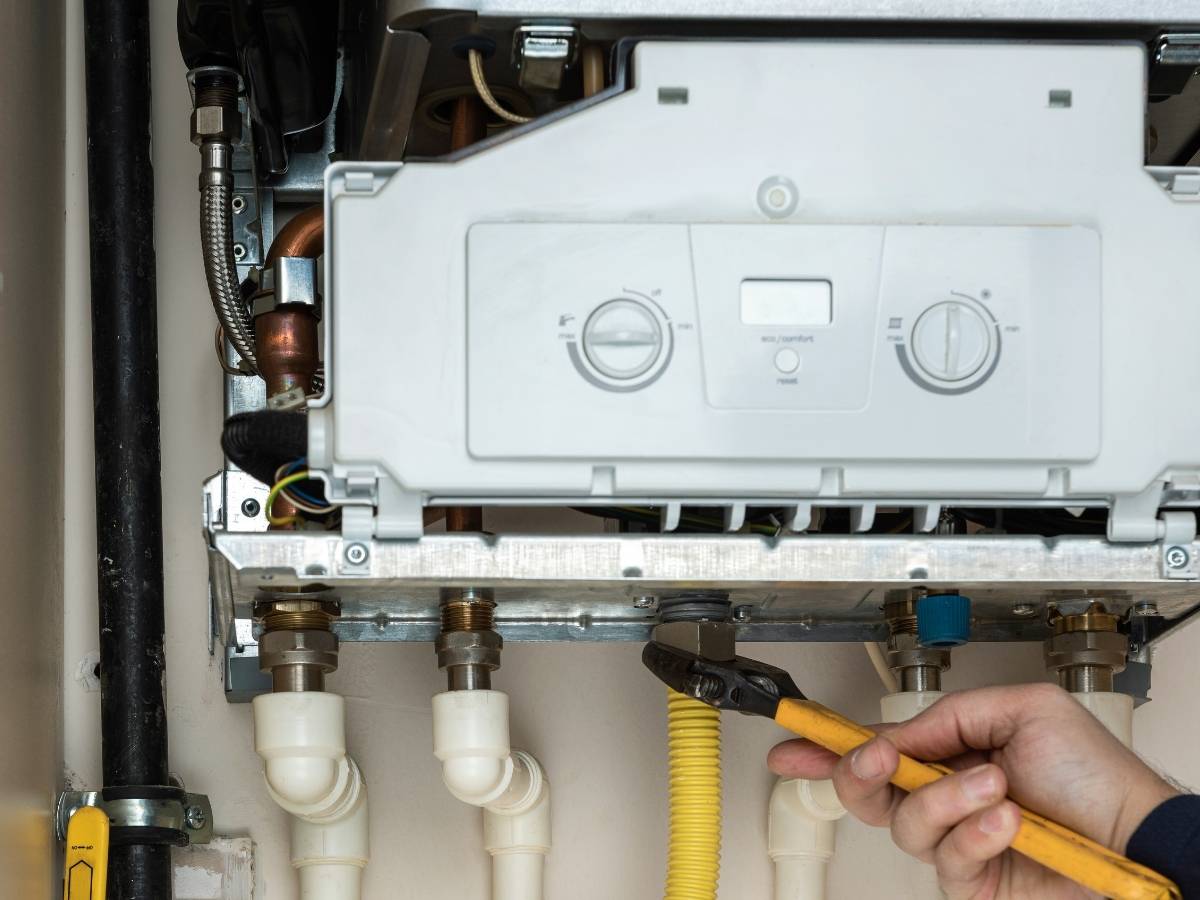
Step 2: Locate the filling loop — a braided silver hose with a valve at each end, usually underneath the boiler.
Step 3: Open both valves slowly. You will hear water entering the system.
Step 4: Watch the pressure gauge. When it reaches 1.5 bar, close both valves firmly.
Step 5: Switch the boiler back on and check it fires normally.
If the pressure drops again within a few days, you have a leak that needs professional diagnosis. Repeatedly topping up pressure without finding the leak can cause long-term damage to your boiler and heating system.
2. No Hot Water from Your Combi Boiler – Causes and Fixes
When your combi boiler fires for the radiators but produces no hot water at the taps, the most likely cause is a faulty diverter valve. This valve switches the boiler between heating mode and hot water mode. When it sticks or fails, the boiler cannot redirect heat to the hot water circuit.
What Causes a Combi Boiler to Stop Producing Hot Water?
A stuck or worn diverter valve is responsible for the majority of “heating works but no hot water” faults. Other causes include the hot water temperature setting being accidentally turned down (check the boiler controls), low water flow rate at the tap (some boilers need a minimum flow to activate), or a faulty flow sensor that fails to detect when a tap is open.
Simple Fixes to Try First
Check the hot water temperature on your boiler’s controls. It should be set between 50–60°C. Try running the hot tap at full flow — a partially open tap may not trigger the boiler’s hot water mode. If neither works, reset the boiler by holding the reset button (usually marked with a flame symbol) for 3–5 seconds and waiting for a full restart.
If the problem persists after resetting, the diverter valve almost certainly needs replacing. This is not a DIY job — it involves internal boiler components and must be done by a Gas Safe engineer. Expect a typical repair cost of £200–£350 including parts and labour. You can also read 5 reasons not to skip annual boiler service for preventative tips.
3. Strange Noises — Why Is My Combi Boiler Making Banging or Kettling Sounds?
Unusual sounds from your combi boiler usually indicate a specific mechanical problem. The type of noise tells you a lot about what’s wrong.
What Is Boiler Kettling and What Causes It?
Kettling sounds like a kettle coming to the boil inside the boiler. It happens when water flow through the heat exchanger is restricted, causing localised overheating and steam formation. The most common cause is limescale buildup, particularly in hard water areas. Central heating sludge (a mixture of rust and debris) can also restrict flow and produce the same effect.
A powerflush can clear sludge from the system and often resolves kettling. For limescale, the heat exchanger may need chemical cleaning or replacement. Our engineers in Newcastle see kettling more frequently in older systems that haven’t been serviced regularly.
Banging Pipes and Gurgling Sounds
Banging noises often indicate air trapped in your heating system or loose components vibrating during operation. Air can enter through small leaks, during maintenance work, or when pressure drops significantly and is then restored.
Gurgling sounds typically suggest water flow problems, possibly due to a failing pump, a leaking or blocked condensate pipe, or incorrect system design. These noises are often more noticeable when the heating first turns on or during the pump overrun period after heating switches off.
Try bleeding your radiators to remove trapped air, starting with the highest radiators in your home and working downwards. If noises persist after bleeding, the problem likely requires professional diagnosis to identify failing components or system design issues.
4. Combi Boiler Not Turning On — What to Check First
A boiler that won’t turn on at all can be caused by something as simple as a tripped fuse or as serious as a failed control board. Our dedicated guide on what to do when your boiler won’t ignite covers this in full detail.
Start with the basics: Check the power supply: find the switched fused spur near the boiler (usually labelled “boiler” or “heating”) and make sure it is switched on. Check the fuse inside the spur — a blown 3A fuse is a common and cheap fix.
Look at the boiler display: A completely blank screen means the boiler has no power. An error code or flashing lights means the boiler has power but has detected a fault. Note any codes displayed — we cover the most common ones below.
Try a reset: press and hold the reset button for 5 seconds, then wait for the boiler to complete its startup sequence. If the boiler locks out again after resetting, do not keep resetting it — repeated lockouts indicate a fault that needs professional diagnosis.
5. Radiators Not Heating Up — How to Bleed and Balance Your System
Cold or lukewarm radiators while the boiler is running usually point to trapped air, sludge buildup, or an unbalanced system.
How to Bleed a Boiler Heating System
Step 1: Turn off the heating and wait for radiators to cool completely.
Step 2: Starting with the radiator furthest from the boiler, insert a radiator key into the bleed valve (top corner).
Step 3: Turn the key slowly anticlockwise. You will hear air hissing out.
Step 4: When water starts flowing steadily, close the valve firmly.
Step 5: Repeat for every radiator, working towards the boiler.
Step 6: Check your boiler pressure — bleeding releases water from the system, so you may need to repressurise afterwards.
How to Balance Radiators for Even Heating
When some radiators heat well while others remain lukewarm, your heating system needs balancing. This involves adjusting the flow through each radiator so that heat distributes evenly throughout your home.
Start by identifying which radiators heat up first when the heating turns on. These are receiving too much flow and need their lockshield valves partially closing to reduce flow. The lockshield valve is usually covered by a plastic cap and requires an adjustable spanner to turn.
Make small adjustments to lockshield valves, turning them clockwise to reduce flow. Test the system after each adjustment by turning the heating off and on again. Professional heating engineers use specialist thermometers to balance systems precisely, but homeowners can achieve reasonable results with patience and careful observation.
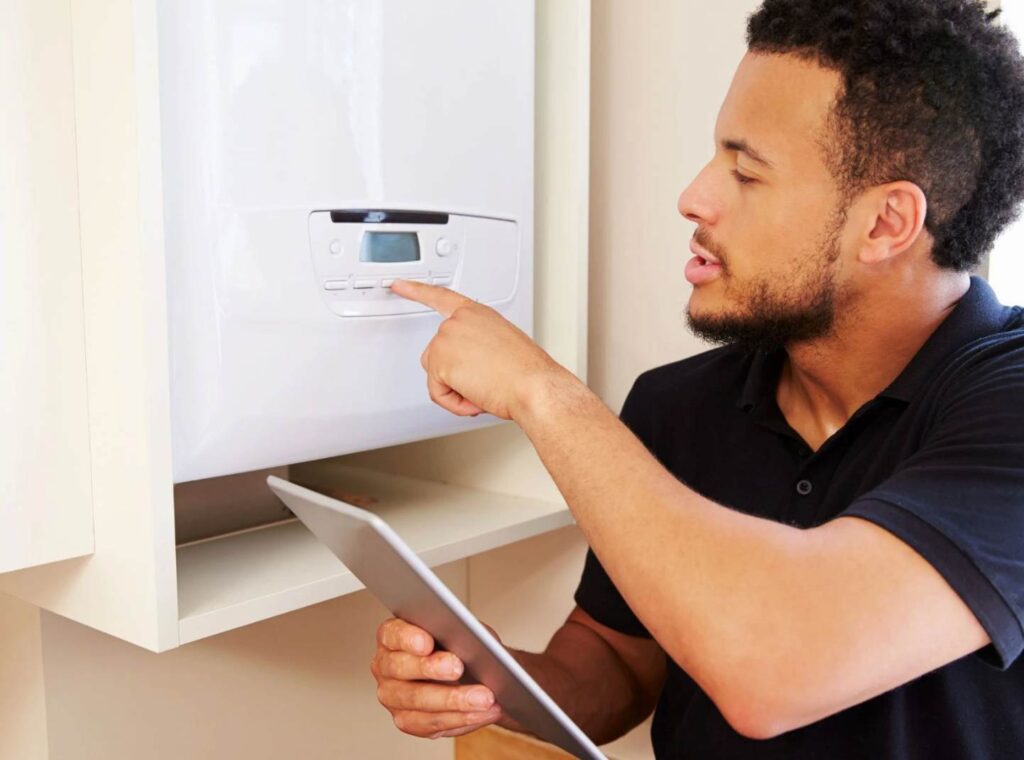
6. Combi Boiler Pump Failure — Symptoms and What to Do
The pump circulates hot water from the boiler through your radiators and back. When it fails, the boiler may fire but the heat has nowhere to go.
Signs Your Boiler Pump Is Failing
The most common symptoms of pump failure are: radiators staying cold even though the boiler is running and you can hear it firing, unusual humming or grinding noises from the boiler (the pump is usually located inside or directly beneath the unit), visible leaks around the pump housing, and the boiler overheating and locking out because heat is not being circulated away from the exchanger.
A seized pump can sometimes be freed temporarily by gently tapping the pump housing — but this is a short-term fix only. Pump replacement is a job for a Gas Safe engineer. If your boiler is ageing and repairs are mounting up, it may be worth reading about the signs it’s time to replace your boiler entirely.
7. Faulty Heat Exchanger — Symptoms & What to Do
The heat exchanger is the core component of your combi boiler. It transfers heat from the gas burner to the water. When it fails, the boiler either cannot heat water efficiently or stops working altogether.
Symptoms of a Faulty Combi Boiler Heat Exchanger
The telltale signs include: persistent kettling noises that don’t resolve after a powerflush, the boiler losing pressure repeatedly with no visible external leak (a cracked heat exchanger leaks internally), fluctuating water temperatures at the taps, and the boiler locking out with overheating error codes.
Heat exchanger replacement is one of the more expensive boiler repairs. For boilers over 10 years old, your engineer may recommend a full boiler replacement instead, as the cost of a new heat exchanger approaches the value of the ageing boiler. Our guide on choosing a new boiler for your home can help you weigh up the options.
Common Combi Boiler Error Codes Explained
When your combi boiler detects a fault, it displays an error code on the control panel and locks out to prevent damage. Here are the most common codes across popular UK boiler brands and what they mean.
| Brand | Code | Meaning | First Action |
|---|---|---|---|
| Vaillant | F22 | Low water pressure | Repressurise to 1.5 bar via filling loop |
| Vaillant | F28 | Ignition failure | Reset once. If repeated, call engineer. |
| Vaillant | F75 | Pressure sensor fault | Call engineer — sensor may need replacing |
| Ideal | F1 | Low water pressure | Repressurise to 1.5 bar via filling loop |
| Ideal | L2 | Ignition lockout | Reset once. If repeated, call engineer. |
| Baxi | E119 | Low water pressure | Repressurise to 1.5 bar via filling loop |
| Baxi | E133 | Ignition failure | Check gas supply, then reset. Call engineer if repeated. |
| Worcester | EA | Ignition failure | Reset once. If repeated, call engineer. |
| Worcester | D1 | Control board fault | Call engineer — likely needs board replacement |
If your error code is not listed here or your boiler keeps locking out after resetting, do not keep resetting it. Repeated lockouts usually indicate a genuine fault that needs professional diagnosis. Our Gas Safe engineers carry diagnostic equipment to read manufacturer-specific fault logs.
When Should You Call a Gas Safe Engineer?
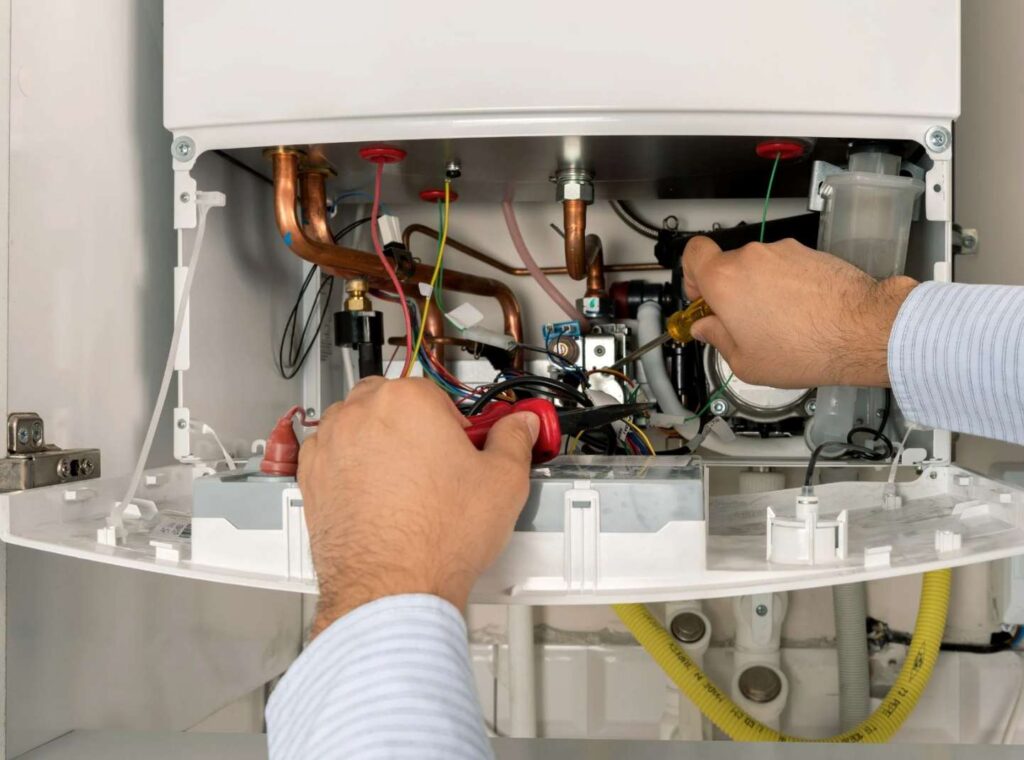
Some boiler problems require immediate professional attention. Call a Gas Safe registered engineer straight away if you smell gas near the boiler, see black staining or scorch marks around the boiler casing, notice the pilot light burning yellow instead of blue, or your carbon monoxide alarm sounds.
Technical faults beyond safe DIY troubleshooting include: internal component failures (heat exchanger, gas valve, pump, diverter valve, PCB board), flue or condensate pipe issues, gas pressure problems, and any fault that causes repeated lockouts after resetting. Knowing the right questions to ask before hiring a heating contractor ensures you get qualified help.
Never attempt to open the boiler casing or work on gas components yourself. It is illegal to carry out gas work without Gas Safe registration, and dangerous faults can cause carbon monoxide poisoning.
Preventing Future Boiler Problems
Regular maintenance significantly reduces the likelihood of boiler breakdowns and extends your system’s lifespan. Simple tasks homeowners can perform include checking boiler pressure monthly, bleeding radiators annually, and keeping the area around your boiler clear of obstructions. Find out how often your boiler really needs professional maintenance to stay ahead of problems.
Annual boiler servicing by a Gas Safe engineer is essential for maintaining efficiency, safety, and warranty compliance. During a service, engineers clean internal components, check gas pressures, test safety devices, and identify potential problems before they cause breakdowns. This is one of the key reasons why regular boiler servicing is essential.
Conclusion
Most combination boiler problems can be resolved with simple troubleshooting that doesn’t require specialist knowledge. Following this systematic approach often restores heating and hot water quickly and safely.
Safety comes first with gas appliances. Never attempt gas component repairs yourself, and call professionals when problems persist or you’re unsure. Regular maintenance keeps your boiler running efficiently.
If our troubleshooting guide couldn’t solve the problem, it’s time to call in the experts. The team at Premier Gas specialises in diagnosing and repairing boiler faults across Newcastle, Gateshead and the wider North East. With over 20 years of experience, you can trust us to get your heating and hot water back on quickly and safely. Get in touch for a free repair quote and let our Gas Safe engineers handle the rest.