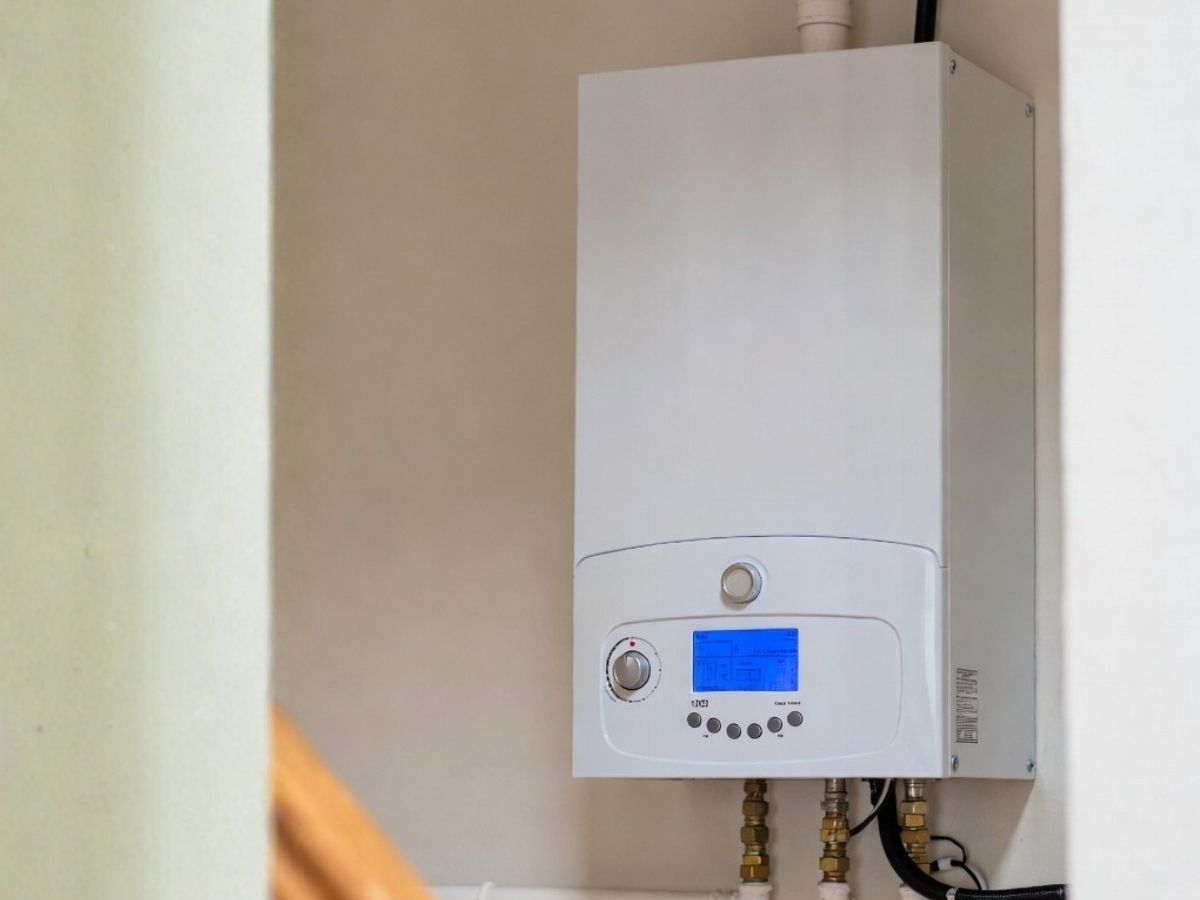
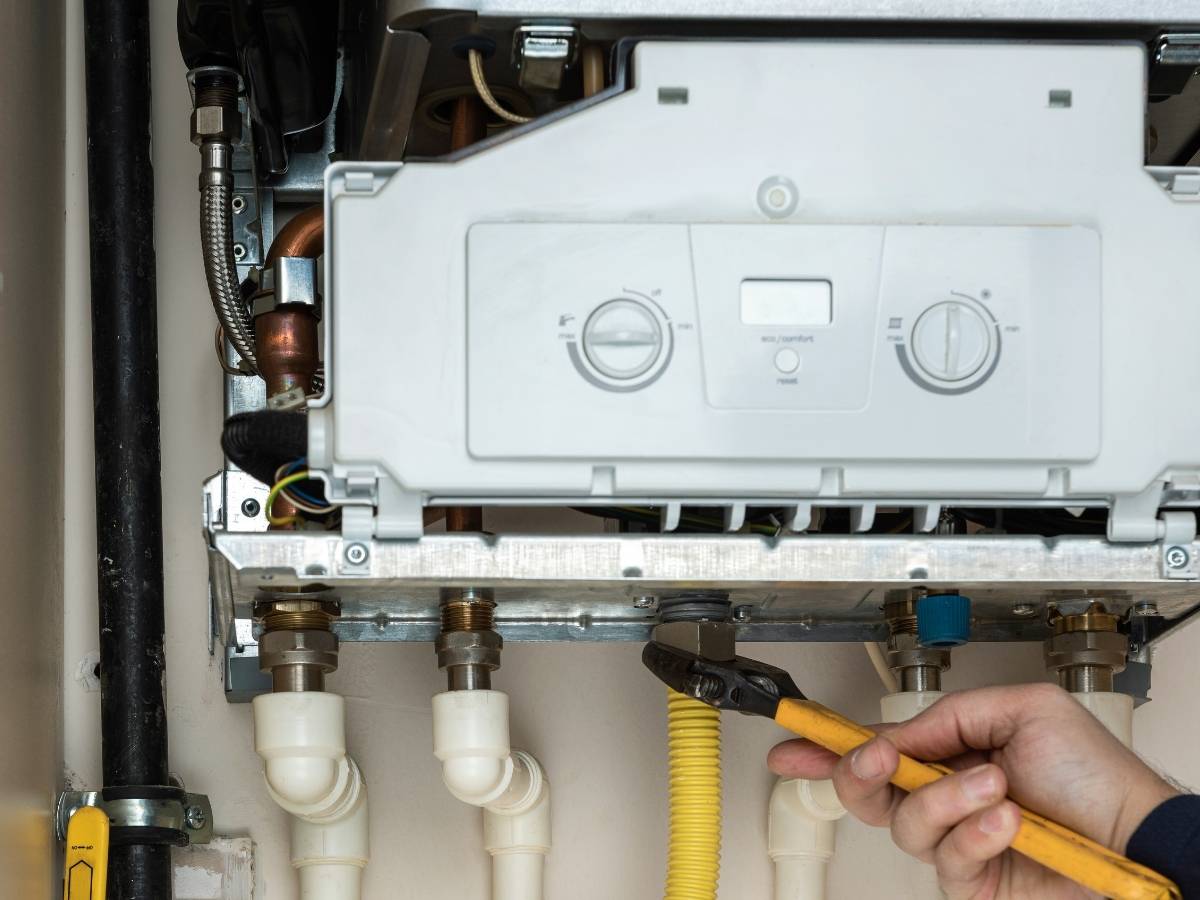
A leaking boiler condensate pipe — sometimes searched as a leaking condensate pipe — is usually caused by a frozen pipe, a blocked condensate trap, or loose joints in the plastic pipework. If you can see water dripping from the white plastic pipe under your combi boiler, you are dealing with a condensate issue. In most cases, you can thaw a frozen pipe yourself with warm water, but internal leaks or a damaged heat exchanger need a GasSafe registered engineer.
This small white plastic pipe plays a vital role in modern gas boilers, carrying away the acidic wastewater produced during the heating process. A leak here can lead to a total boiler shutdown, leaving your home without heating or hot water. Understanding why this happens and how to identify the source is the first step toward a permanent fix.
What Is a Boiler Condensate Pipe?
A condensate pipe, sometimes called a boiler drain pipe, is a white or grey plastic pipe that carries acidic wastewater from your boiler to an external drain, internal waste pipe, or soakaway. Every modern combi boiler and condensing boiler in the UK has one. Because these boilers are highly efficient, they extract more heat from combustion gases, which causes water vapour to condense into a liquid. This liquid is called condensate.
Condensate water is mildly acidic, which is why it must be drained away through a plastic pipe rather than copper. The pipe is usually 21.5mm or 32mm in diameter and connects to either an external drain or an internal soil stack. If you can see a white plastic pipe running from beneath your boiler to the outside wall, that is your condensate pipe.
How to Identify a Boiler Condensate Pipe Leak
Before you can fix the problem, you need to be sure that the leak is actually coming from the condensate pipe. Modern gas combi units have several pipes connected to them. Identifying the right one is the first step in solving the issue. If you’re experiencing other issues with your combi boiler, our combi boiler troubleshooting guide provides comprehensive solutions.
Boiler Condensate Pipe vs Pressure Relief Valve
Most gas boilers have two pipes that lead outside or to a drain. Understanding the difference is important:
Because a modern combi boiler is very efficient, it produces a lot of water vapour. This vapour turns into condensate water, a mildly acidic liquid that must be drained away through the plastic pipe. If you see water coming from the plastic pipe, you are looking at a condensate issue. If water is coming from the copper pipe, you may have a pressure problem.
Common Warning Signs of a Condensate Pipe Leak (Water Dripping From the Pipe Outside)
The most obvious sign of leakage is water pooling on the floor directly beneath the boiler. You might also notice damp patches on the wall where the pipe passes through to the outside. Another common sign is an audible gurgling sound coming from the boiler or the pipework. This sound usually means that water is backing up because it cannot flow freely.
If the leakage is bad enough, your boiler may stop working or display a fault code. This is a safety feature designed to protect the internal components from water damage and corrosion.
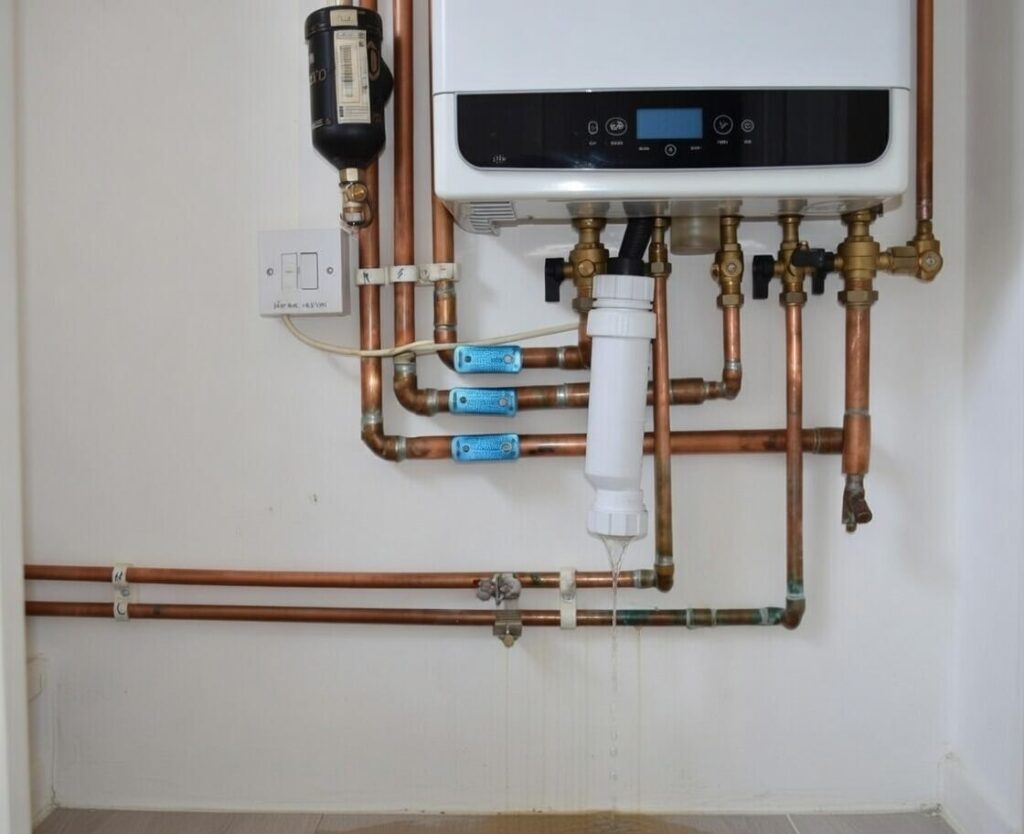
Common Reasons for a Leaking Boiler Condensate Pipe
There are several reasons why a condensate pipe might start to leak. Some are related to how the pipe was installed. Others are caused by the weather or a lack of maintenance.
Blocked Boiler Condensate Trap
Inside your boiler, there is a component called the condensate trap. Its job is to collect the acidic liquid and discharge it in waves, while preventing combustion gases from escaping through the pipework. Over time, this trap can become filled with sludge and debris.
A blocked condensate trap means the water has nowhere to go. It backs up and may leak from the pipe joints inside the boiler casing. If your boiler is gurgling or you notice water inside the casing, a blocked trap is a likely cause.
Frozen External Pipework and Joint Leaks
In the UK, the most common cause of condensate problems during winter is a frozen condensate pipe. If your pipe runs outside, the slow drip of water can freeze during a cold snap. A wall of ice forms at the exhaust end, blocking the pipe completely.
When the water cannot exit, it backs up inside the boiler. This often causes joint leaks at the point where the internal pipe meets the external wall. Many homeowners across the North East experience this during the colder months. If your combi boiler has stopped working during freezing weather, a frozen condensate pipe is almost always the reason.
Loose Joints and Poor Installation
If your condensate pipe is leaking at a joint, it might be down to the way it was originally fitted. There are two main ways to join plastic condensate pipes:
- Push-fit joints: These rely on a rubber seal inside the fitting. Over time, the seal can perish, shrink, or loosen, especially on external pipework exposed to UV and weather.
- Solvent weld joints: These use a special PVC cement to bond the pipe permanently. If the installer did not apply enough cement or the surfaces were not properly cleaned, the joint can fail.
Poor installation is one of the most common causes of slow drips that eventually cause significant water damage to flooring, walls, and nearby radiators.
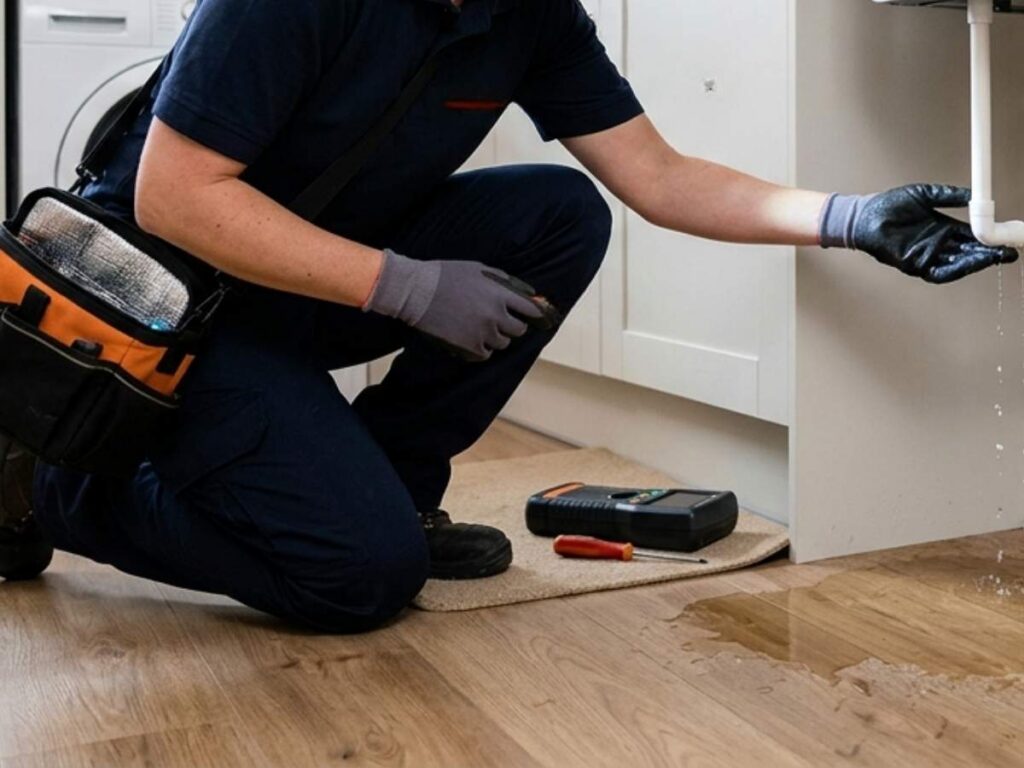
Is a Leaking Condensate Pipe Dangerous?
A leaking condensate pipe is not immediately dangerous, but it should not be ignored. The condensate water itself is mildly acidic (around pH 3–4), which means it can corrode metal surfaces, damage flooring, and cause damp if left to drip over time.
The bigger risk is what a leak can indicate. If water is backing up inside the boiler because of a blockage, it can damage the heat exchanger and other internal components. In rare cases, a cracked heat exchanger can allow combustion gases to escape, which is a safety concern.
If your condensate pipe is dripping occasionally while the boiler runs, this is normal. But if you see a steady stream, water pooling beneath the boiler, or the boiler has locked out, you should investigate or call a GasSafe registered engineer.
DIY Fixes: What You Can Safely Do
As a homeowner, there are a few things you can do to resolve a condensate leak. However, safety comes first. You should never attempt to open the boiler casing. This must only be done by a GasSafe registered heating engineer.
How to Thaw a Frozen Condensate Pipe
If your central heating has stopped working during a freeze, the pipe is likely blocked with ice. Follow these steps:
- Locate the frozen section — this is usually the lowest point of the external pipe or where it exits the wall
- Pour warm (not boiling) water over the external part of the pipe. Boiling water can crack the plastic
- Alternatively, wrap a warm cloth or a dedicated heat pack around the frozen section
- Wait until you hear the water drain away — this confirms the blockage has cleared
- Reset your boiler using the reset button or by turning it off and on again
Once the ice has melted and the water is flowing freely, your boiler should fire up again. If it does not restart, you may need an engineer to check for internal damage — and if the pipe keeps freezing winter after winter, it may be worth looking at how to find a new boiler for your home with better-insulated pipework built in as standard.
Checking and Tightening External Joint Leaks
If you can see water dripping from a joint outside the boiler casing, check if it feels loose. For external plastic pipes, you can identify a loose fitting by moving it gently. You can apply a small amount of PVC pipe cement to the outside of the joint to help seal a minor gap. If the pipe has physically pulled apart, you may be able to push it back together. This is usually a temporary fix until a plumber or engineer can apply a permanent solvent weld.
Damaged Heat Exchanger: When to Call a GasSafe Engineer
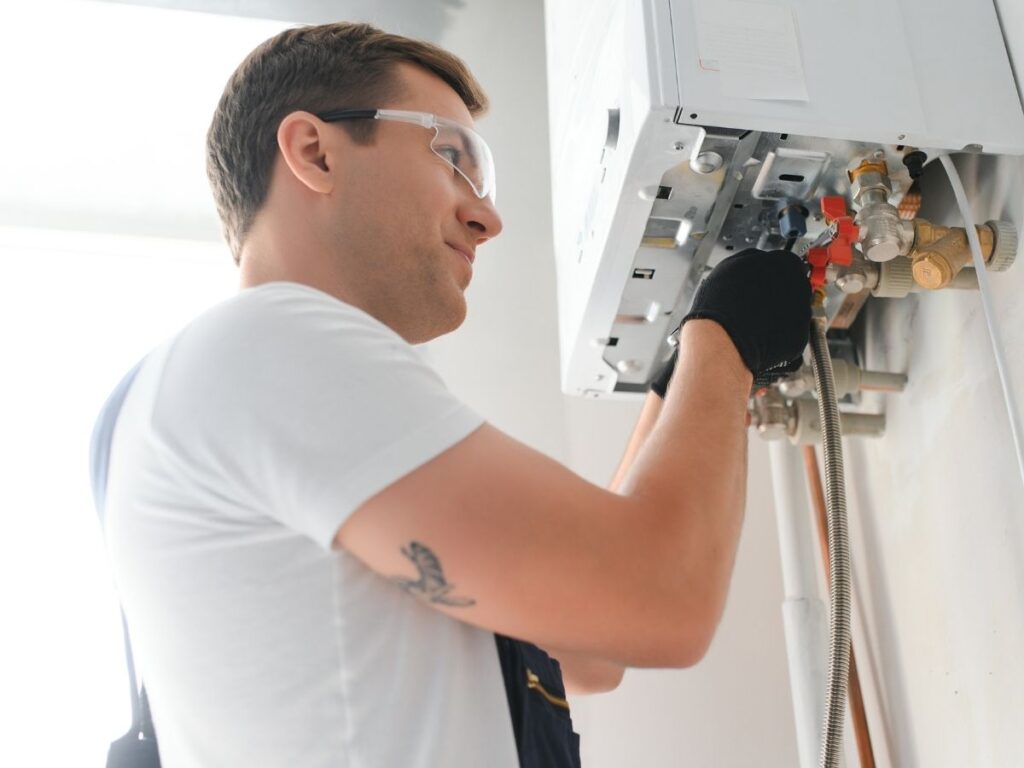
If the leak is coming from inside the boiler casing, or you notice water upstream of the external pipework, you must call a professional. Internal leaks can sometimes be caused by a cracked heat exchanger. This is a serious fault that allows combustion gases and water to escape where they should not.
If you see water dripping from the bottom of the boiler’s metal casing, – often one of the clearer signs it’s time to replace your boiler – turn off the power and book a boiler repair immediately to avoid further damage to the heat exchanger or other internal parts. Always ensure your engineer is GasSafe registered for your safety.
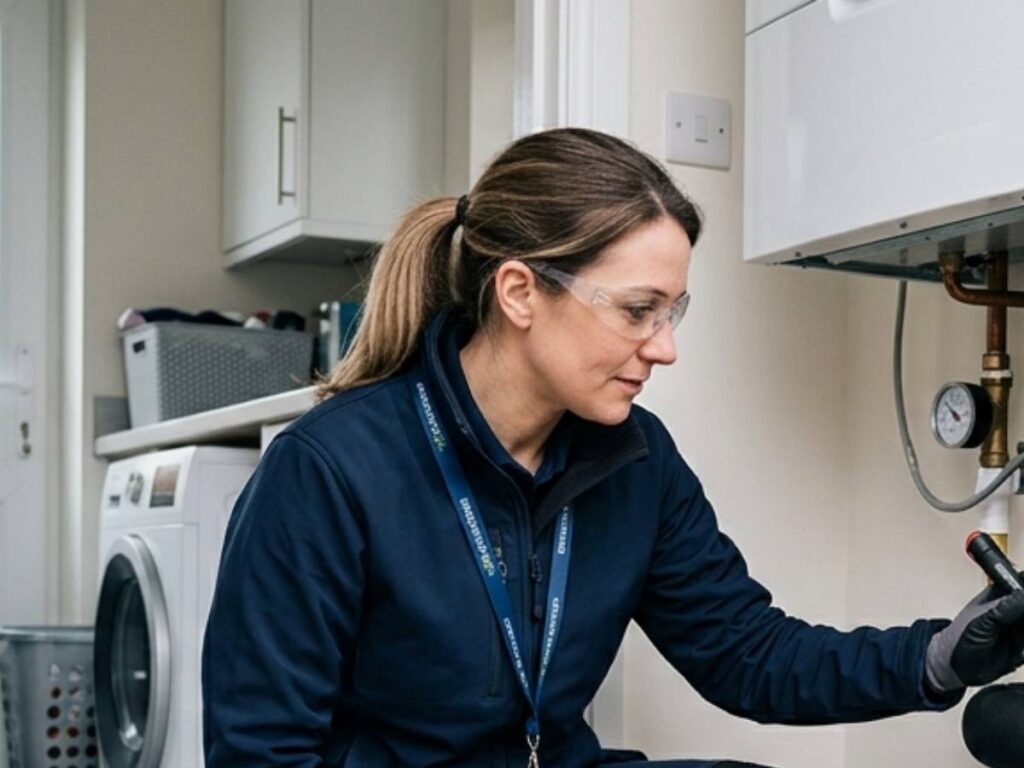
How to Prevent Condensate Pipe Leaks
We believe that the best way to deal with a leak is to make sure it never happens. Proper installation and maintenance are key to a reliable heating system.
Upgrading Pipe Insulation
Standard thin foam insulation is often not enough to stop a pipe from freezing. We recommend using UV-stable, waterproof insulation. This is often called Type-O insulation. This stays effective even when it is wet. It protects the pipe from the sun and the cold. This significantly reduces the risk of ice blockages during the winter.
Increasing Pipe Diameter
Many older installations use a 21.5mm pipe for the entire run. This small size is very easy for ice to block. According to current building regulations and best practices, any part of the pipe that runs outside should be at least 32mm. This larger size makes it much harder for ice to form a complete blockage.
The Importance of Annual Servicing
The best way to prevent a blocked condensate trap is to have your boiler serviced every year. During a professional service, an engineer will:
- Remove and clean the condensate trap to clear any sludge or debris
- Check all internal seals and pipe connections for wear
- Inspect the heat exchanger for early signs of cracking or corrosion
- Test the boiler’s safety devices and pressure levels
This simple annual maintenance can prevent gurgling noises, internal leaks, and unexpected breakdowns. It also helps you avoid expensive repair bills further down the line.
Boiler Condensate Pipe Troubleshooting: Quick Reference
| Symptom | Likely Cause | What to Do |
|---|---|---|
| Water dripping from white plastic pipe outside | Normal condensate drainage or frozen pipe in winter | If constant, thaw with warm water. If occasional, likely normal. |
| Water pooling under the boiler | Blocked condensate trap or loose internal joint | Call a GasSafe engineer. Do not open the boiler casing. |
| Pipe leaking at a joint | Perished push-fit seal or failed solvent weld | Temporary fix with PVC cement. Book an engineer for permanent repair. |
| Gurgling sound from boiler | Water backing up due to blockage or freeze | Check external pipe for ice. If clear, condensate trap may need cleaning. |
| Boiler showing fault code / locked out | Safety shutdown due to condensate backup | Thaw pipe if frozen, then reset. If fault persists, call an engineer. |
| Water dripping from copper pipe | Pressure relief valve (PRV) issue, not condensate | Check boiler pressure. If above 3 bar, you may need a pressure adjustment. |
Get Your Condensate Pipe Fixed by a Local Expert
A leaking condensate pipe is often a sign that your boiler is working hard but struggling with its waste. Whether it is a simple freeze, a blocked trap, or a more complex internal fault, acting quickly saves you from a cold house and expensive repairs.
At Premier Gas, we have spent over 20 years helping families across the North East keep their homes warm and their boilers running smoothly. If you have spotted a drip, heard a gurgling sound, or your boiler has locked out, let our local experts take a look.
Our heating engineers in Newcastle provide honest advice and reliable repairs to get your heating back on track. Book a boiler repair or annual service today to keep your home warm and safe this winter.
Frequently Asked Questions
Is a leaking condensate pipe dangerous?
A leaking condensate pipe is not immediately dangerous, but it should not be left unattended. The condensate water is mildly acidic and can damage flooring and cause damp over time. If water is backing up inside the boiler, it can damage the heat exchanger, which is an expensive repair. If your boiler has locked out or you smell gas, turn off the boiler and call a GasSafe engineer immediately.
Why is my boiler condensate pipe dripping?
Some dripping is normal when your boiler is running, as combi boilers produce 2 to 3 litres of condensate per hour. If the dripping is excessive, constant, or happening when the boiler is off, it could indicate a blocked condensate trap, a frozen pipe, or a faulty seal.
how much condensate does a boiler produce
A typical combi boiler produces around 2 to 3 litres of condensate per hour while running, though this varies with boiler size and heat demand. This is why a small, steady drip from the pipe while the boiler is on is completely normal.
How do I fix a leaking condensate pipe?
If the pipe is frozen, pour warm (not boiling) water over the external section to thaw it, then reset the boiler. For a leaking joint, you can apply PVC pipe cement as a temporary seal. If the leak is inside the boiler casing or you cannot identify the source, call a GasSafe registered engineer.
What is the white plastic pipe under my boiler?
The white or grey plastic pipe running from beneath your boiler is the condensate pipe. It carries away the mildly acidic wastewater produced when your boiler extracts heat from combustion gases. Every modern combi boiler and condensing boiler in the UK has one.
Should I worry if my condensate pipe drips outside?
A small amount of dripping outside while the boiler is firing is perfectly normal. You should only be concerned if the dripping is constant, very heavy, or continues when the boiler is off. In winter, even normal dripping can cause the pipe to freeze, so proper insulation is important.
How often should a boiler condensate trap be cleaned?
The condensate trap should be cleaned at least once a year as part of your annual boiler service. A GasSafe engineer will remove the trap, clear any sludge or debris, and check the seals. Regular cleaning prevents blockages that can cause leaks and boiler shutdowns.