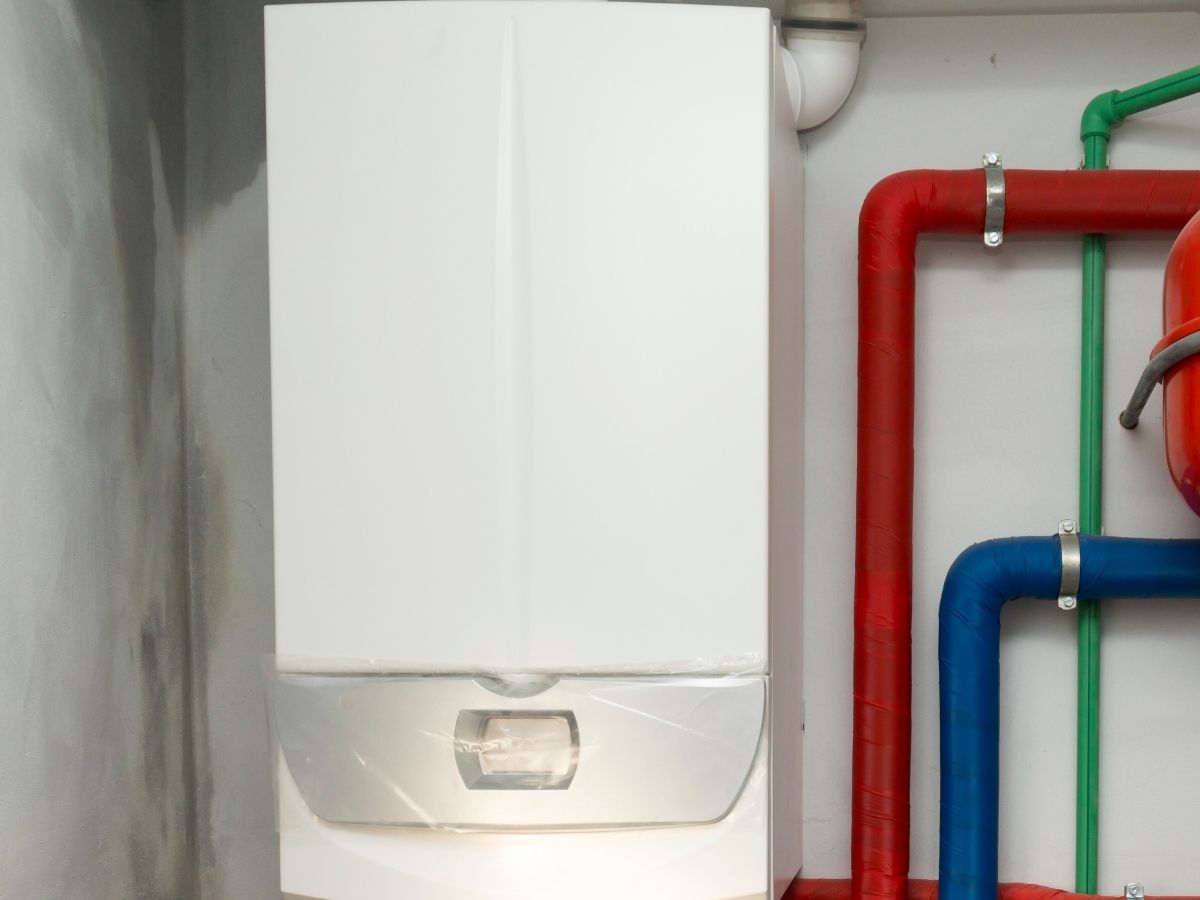
A quiet boiler is something most homeowners take for granted until the silence is broken by a strange thud, whistle, or hum. When your heating system begins to make unusual sounds, it is often more than just a minor annoyance. These sounds are frequently the first warning signs that something is wrong deep within the unit. The last thing you want is for a small noise to turn into a full boiler breakdown during the coldest months of the year.
Understanding what your boiler system is trying to tell you can save you time, money, and stress. While some noises are simply the result of metal expanding as it heats up, others indicate possible causes like limescale buildup or failing mechanical parts. This guide uses a sound-first approach to help you diagnose the problem based on what you are hearing right now. By following this guide, you can determine if the fix is a simple DIY task or if you need to call out a GasSafe registered heating engineer to ensure your home stays warm and safe.
1. Kettling and Whistling: Is Your Noisy Boiler Limescaled?
If your boiler sounds like a kettle boiling reaching its boiling point, you are experiencing a common issue known as boiler kettling. This is often characterized by a low rumbling that builds into a high-pitched whistle or a series of popping noises.
The Cause of a Noisy Boiler
The primary cause of a kettling noise is a restricted flow of water through the heat exchanger. Limescale often builds up on the internal surfaces of the heat exchanger over time. When water gets trapped against these hot surfaces by scale or sludge, it turns to steam too quickly, creating the whistling sound. This is a common fault for residential heating systems where water hardness is a factor.
DIY Check for Kettling
Check your system filters if you have them installed. Sometimes a blocked magnetic filter can slow down the flow of water, contributing to the noise. You should also check your boiler manual for specific maintenance tips to see if your model has a known tendency for this issue.
Engineer Action and Professional Boiler Service
A professional will likely need to perform a powerflush of your central heating system. This process involves using specialized chemicals and equipment to strip away the sludge and limescale buildup. During a regular boiler service, an engineer can identify these issues before they cause a full system failure. If the heat exchanger is heavily scaled, the engineer might need to use a descaling solution or replace the component to restore efficiency and silence.
2. Banging Sound and Sudden Thuds
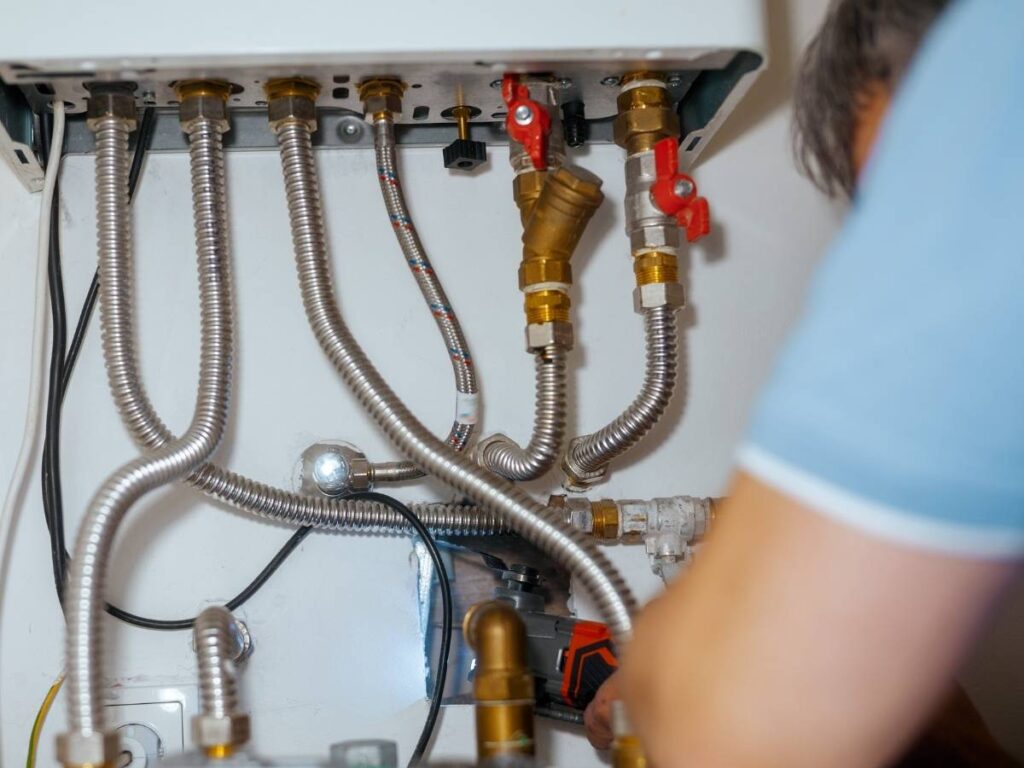
Hearing a banging noise or a series of heavy clunks can be alarming. These common noises often occur right when the boiler starts up or just as it is shutting down, and they can sometimes cause the boiler casing to vibrate.
What Causes a Banging Sound?
Heavy thudding is often caused by a phenomenon called water hammer. This happens when water flow is suddenly restricted or redirected, causing a pressure wave to travel through the pipes. Another common cause is delayed ignition, where gas builds up in the combustion chamber before lighting, resulting in a small, audible mini-explosion.
DIY Check for Banging
Walk around your home and check for any loose pipes. If pipes are not properly secured with clips, they can knock against floorboards or joists when the pump starts up. Securing a loose pipe is a simple fix that can often stop the banging.
Engineer Action for a Loud Noise
If the noise is coming from inside the boiler, an engineer will need to inspect the gas valve and ignition leads. They will ensure the gas is lighting promptly and safely. If water hammer is the issue, they may need to install a shock arrestor or check the settings on your circulating pump to ensure the boiler pressure is balanced correctly.
3. Gurgling Sound and Trapped Air
A gurgling noise is perhaps the most frequent sound reported and often sounds like a radiator is “digesting” something or like water trickling through a pipe.
Fixing a Gurgling Sound in Radiators
The most frequent cause of gurgling is trapped air within the system. Air bubbles prevent water from circulating smoothly, leading to the splashing or trickling sound. You may notice your radiator cold at the top while the bottom remains warm. During particularly cold spells, a gurgling sound paired with a boiler shutdown can also indicate a frozen condensate pipe.
DIY Check for Air Issues
The first step is to bleed your radiators. Use a radiator key to release any air until water starts to come out. If the weather is freezing outside, check the white plastic pipe that leads from your boiler to the outside drain. If it is frozen, you can gently thaw it with warm water. For more detailed troubleshooting steps, check out our combi boiler troubleshooting guide.
Checking for Low Water Pressure
If bleeding the radiators does not stop the noise, there may be a leak in the system that is constantly letting air in, leading to low water pressure. An engineer will check the expansion vessel and the automatic air vent inside the boiler to ensure the system remains airtight and properly pressured.
4. Humming or a Constant Vibrating Noise
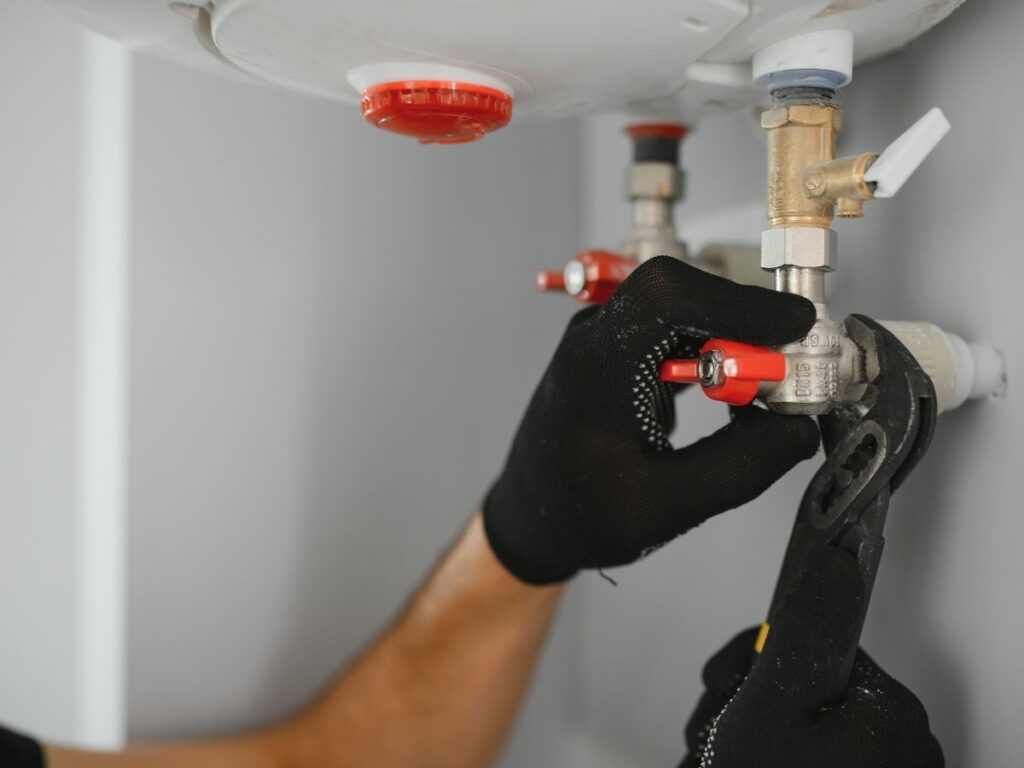
A constant humming or vibrating noise can be particularly annoying because it often resonates through the walls of the house.
The Source of a Vibrating Noise
Humming is usually mechanical or electrical in nature. Most often, it is caused by the boiler pump being set to a speed that is too high for the system. It can also be caused by a fan motor that is beginning to fail or a vibrating component that has worked itself loose over time.
DIY Check for Vibrations
Check the external casing of the boiler. Sometimes the metal panels are not seated perfectly, and the normal vibration of the motor causes them to buzz. If pressing your hand firmly against the casing stops the noise, you may just need to tighten a few screws to keep the boiler in place.
Engineer Action for a Loud Vibrating Noise
A GasSafe engineer will inspect the internal fan and pump. If the bearings in the fan are wearing out, the unit will need to be replaced before it fails completely. They can also diagnose a faulty pump that may be causing internal turbulence and adjust the settings to find a balance between efficient circulation and quiet operation.
5. Ticking and Issues with Hot Water
Rapid clicking or ticking sounds are usually heard when the boiler is trying to start its cycle to provide heating or hot water.
Ticking While Heating Hot Water
Ticking is often the sound of the spark electrode trying to light the gas. If the boiler clicks several times and then goes quiet or shows an error code, it means the flame is not catching. Ticking can also be caused by the metal of the boiler and pipes expanding as they heat up, which is generally normal during the production of hot water.
DIY Check for Ticking
Check if your other gas appliances are working, such as a gas hob. If they are not, you may have an issue with your gas supply or your meter. You should also check your thermostat to ensure it is calling for heat correctly.
Engineer Action for Ignition Issues
If the boiler is clicking but failing to light, an engineer will need to clean or replace the spark electrode and the flame sensor. In some cases, a faulty thermostat may be sending intermittent signals to the unit, causing it to cycle on and off rapidly.
6. Squealing and High-Pressure Issues
A high-pitched squeal is distinct from the low rumbling of kettling. It often sounds like a jet engine or a frantic whistle and can occur even in modern boilers.
Boiler Making a Squealing Sound
This is frequently caused by a blockage in the primary return pipe or a pump that is struggling to push water through a narrow opening. It can also occur if the boiler pressure is too low, causing the internal components to work harder than they should, eventually leading to an overheating boiler.
DIY Check for Pressure
Look at the pressure gauge on the front of your boiler. It should typically be between 1 and 1.5 bar when the system is cold. If it is lower than 1, you may need to top up the pressure using the filling loop.
Engineer Action for System Blockages
The engineer will investigate the internal pipework for blockages. They will also check the health of the pump. If the pump is old and struggling to maintain flow, replacing it with a modern, energy-efficient version can eliminate these unexpected noises and lower your electricity bills.
7. Rattling and Internal Components
Rattling sounds are usually intermittent and can sound like loose coins in a tumble dryer.
Fixing a Loud Vibrating Noise in the Casing
The most common cause of rattling is a loose bracket or a component inside the boiler that has become detached. In some cases, it can be caused by an imbalanced fan that is wobbling as it spins at high speeds, creating all sorts of noises.
DIY Check for Rattling
Gently check the visible pipework leading into the boiler to see if any of the copper pipes are vibrating against each other. If they are, you can often use a piece of foam lagging to separate them and dampen the sound.
Engineer Action for Mechanical Failures
An engineer will open the boiler casing to inspect the internal brackets and the fan assembly. They will ensure everything is tightened to the manufacturer’s specifications. If the fan is imbalanced due to a buildup of dust or a bent blade, they will clean or replace it to restore quiet operation.
Conclusion
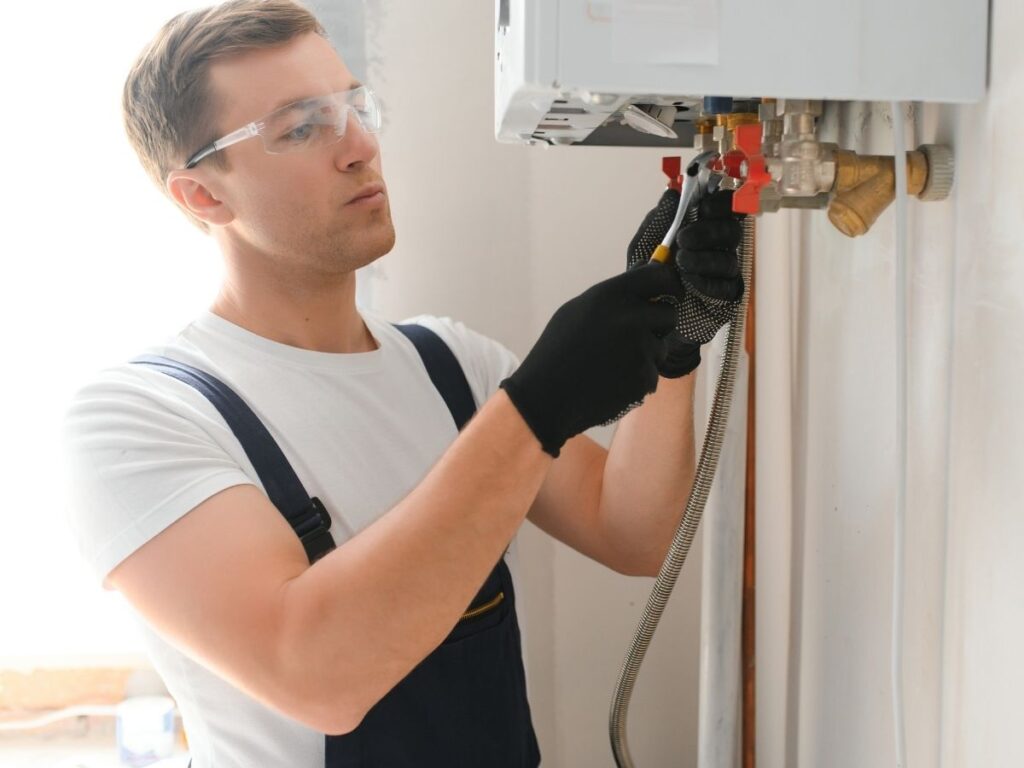
A noisy boiler is your heating system’s way of asking for attention. Whether it is a simple case of trapped air causing a gurgle or a more serious issue like limescale buildup causing kettling, addressing these sounds early is the best way to prevent a total heating failure. Regular maintenance and an annual boiler service are the most effective ways to keep your system running silently and efficiently for years to come.
By paying attention to these common sounds, you can take the necessary steps to protect your home. Ensuring your boiler is in top condition is essential for staying comfortable throughout the year. If you need expert boiler advice for a noise that you cannot fix with a simple DIY check, it is time to seek professional help from a trusted residential specialist.
Premier Gas provides expert heating solutions with over 20 years of experience. As a GasSafe registered company, they offer a range of residential services including boiler installations, servicing, and repairs. Their team focuses on professionalism and transparent pricing to ensure total customer satisfaction.
Stop the racket and restore the quiet—book your expert boiler diagnostic and service today to keep your home running smoothly.