If you are looking to create more space in your home or upgrade an old heating system, you have probably asked: does a combi boiler have a water tank? It is one of the most common questions homeowners ask when they start researching a new boiler installation.
The simple answer is no. Standard gas combi boilers do not require an external hot water cylinder or a cold water storage tank in the loft. This is exactly why they have become the most popular choice for homes across the UK. However, there are some interesting exceptions and technical details that every homeowner should understand before making the switch from an old boiler.
The Short Answer: Do Combi Boilers Need a Water Tank?
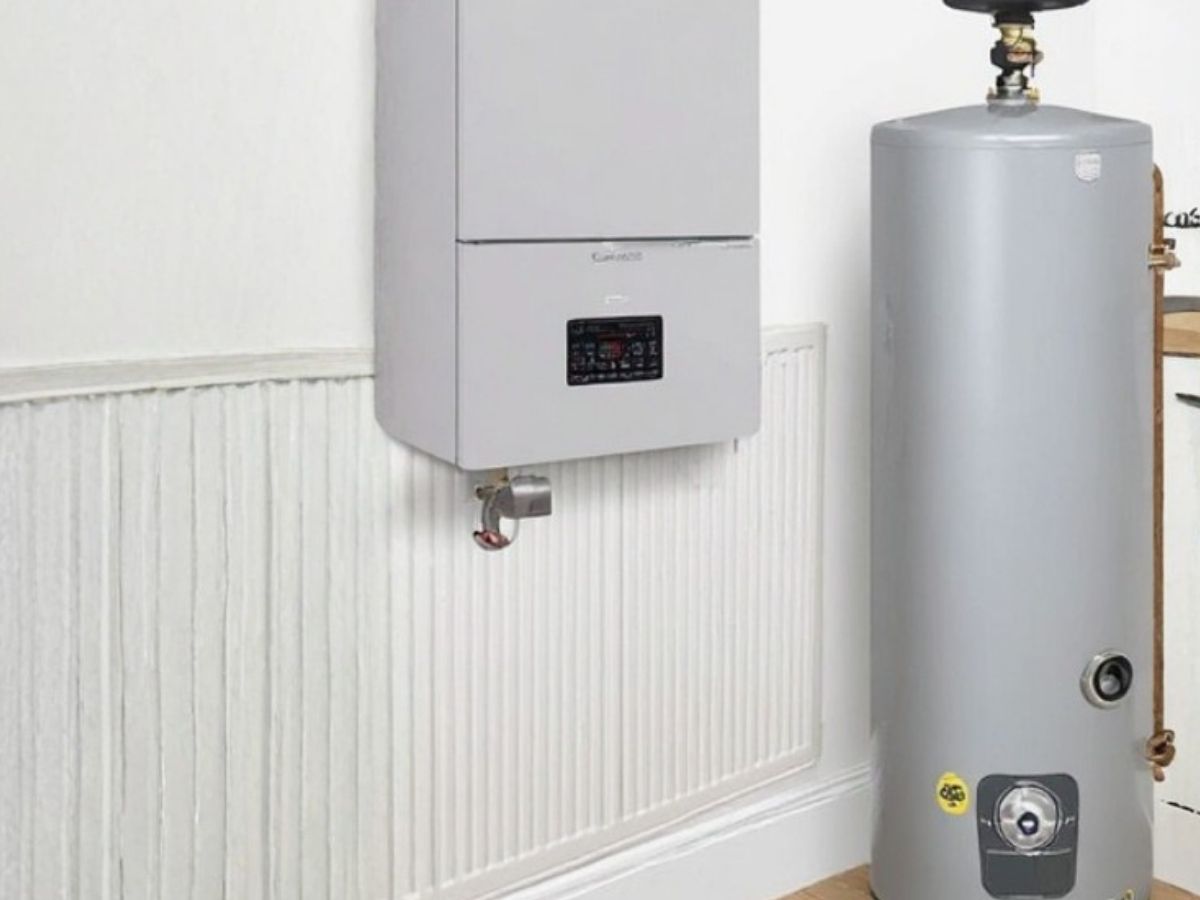
In a traditional heating setup, you will usually find a large copper cylinder in an airing cupboard and a plastic or metal tank hidden away in the loft. A standard combination boiler removes the need for both.
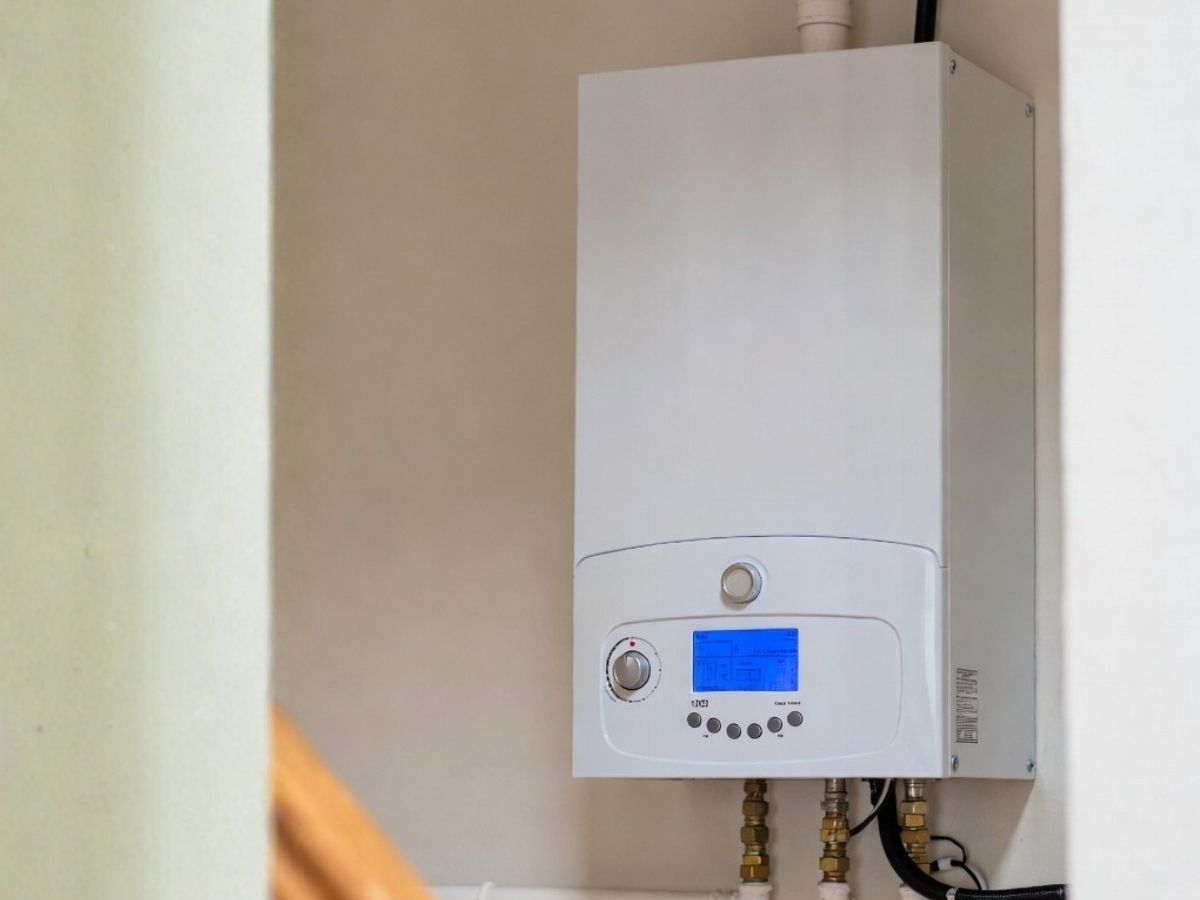
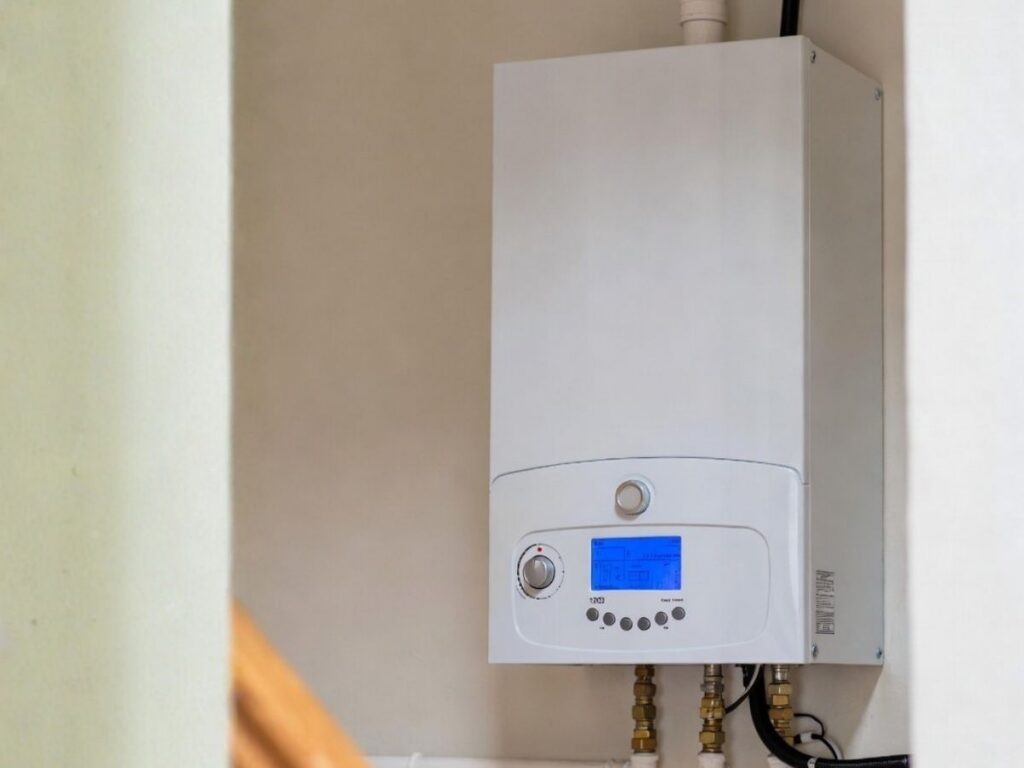
The name is actually short for combination boiler because these units are designed to handle both your central heating and your hot water in a single, compact box. Because they heat water directly from the mains supply, they do not need to store it in a large hot water tank.
For many people in the North East, switching to this type of central heating boiler is the best way to reclaim valuable square footage. You can finally turn that dusty airing cupboard into a functional storage space or even part of a new ensuite.
How Does a Combi Boiler Work Without a Tank?
To understand why the separate water tank is gone, you have to look at how the boiler treats the water coming into your home.
Heating Hot Water on Demand
Traditional systems are “storage” systems. They heat a large volume of water and keep it in a hot water storage cylinder until you turn on a tap. If you use all the water, you have to wait for the tank to heat up again.
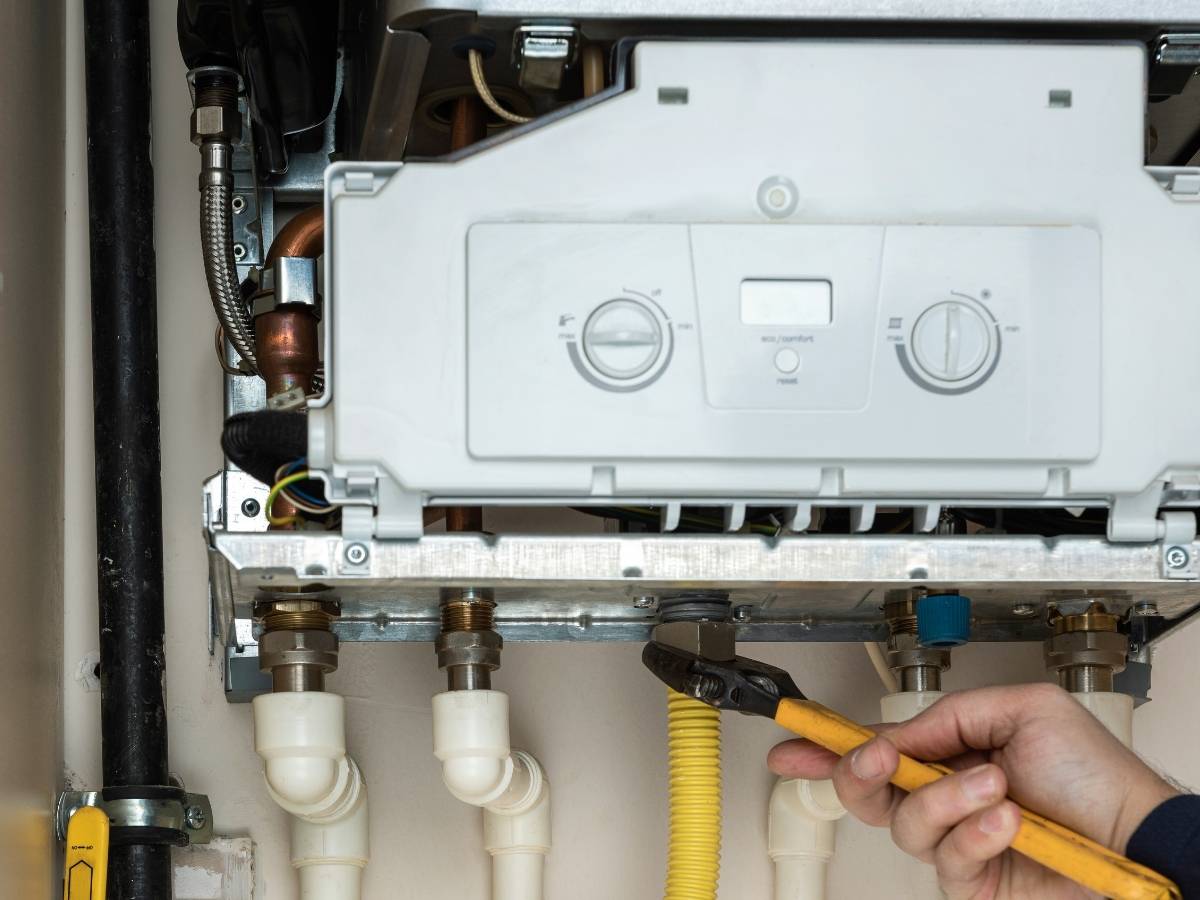
A combi works on demand. When you flick the hot tap on, a sensor inside the boiler detects the flow. It instantly fires up the gas burner and passes the cold water through a component called a heat exchanger. This part transfers heat from the gas flame to the water almost instantly. By the time the water travels through your pipework to the tap, it is already hot.
The Role of Mains Water Pressure
Older systems often rely on “gravity-fed” pressure. This is why the cold water tank is usually high up in the loft—the height of the water provides the pressure for your taps.
A combi is different because it is connected directly to the cold water mains. It uses the natural mains pressure from the street to push water through the boiler and around your central heating system. This is why you no longer need a header tank in the roof. However, this also means your boiler’s performance depends on the local water flow rate.
When a Combi Boiler Does Have a Tank (The Exception)
While 90% of these units are tankless, there is a specific type of unit that actually contains a small water reservoir.
What is a Storage Combi Boiler?
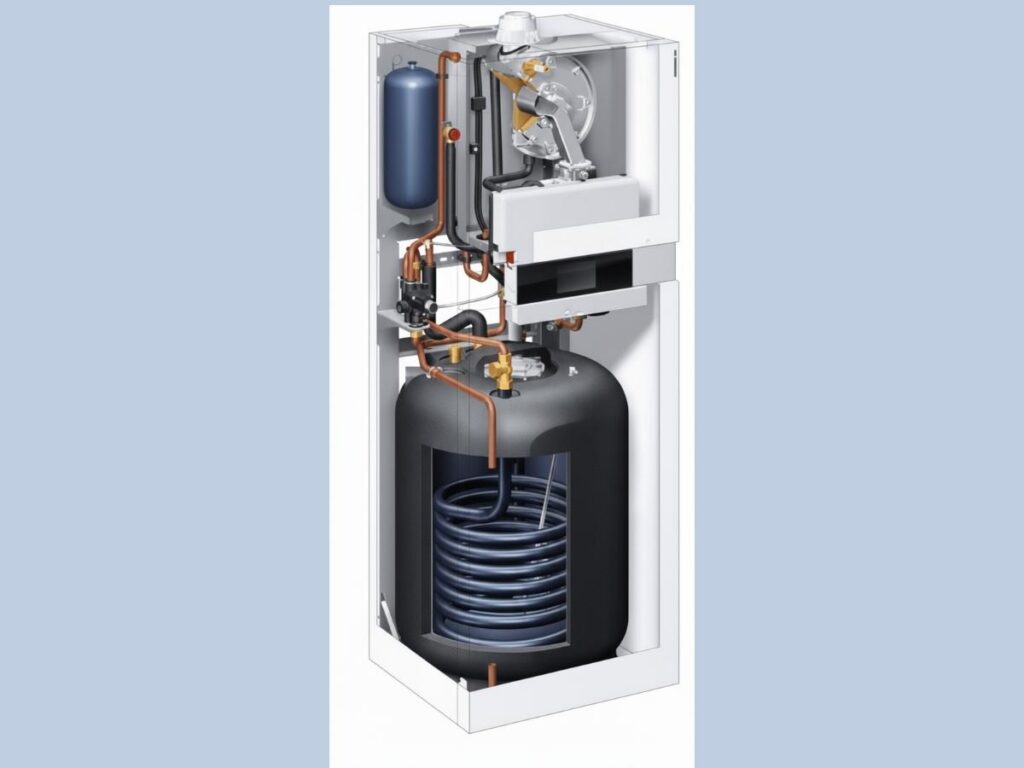
A storage combi boiler is a premium type of boiler designed for larger homes. While it still looks like a standard wall-mounted unit, it has a small, high-performance water tank hidden inside the casing.
These internal tanks act as a buffer. If you have a large family and multiple people need hot water at the exact same time, the unit can use its internal reserve to keep the pressure and temperature steady.
Internal vs External Storage
It is important to distinguish this from an old-fashioned system. Even this specialised version does not require a giant cylinder in your cupboard. All hot water system components, including the small tank and the pump, are contained within the boiler unit itself. Unless you have a very large property with many baths and showers, a standard tankless combi is usually enough.
Switching from a Traditional System to a Combi
If you currently have a system with tanks and are planning an upgrade, there are a few practical steps involved in the Boiler installation process.
What Happens to the Old Loft Tank?
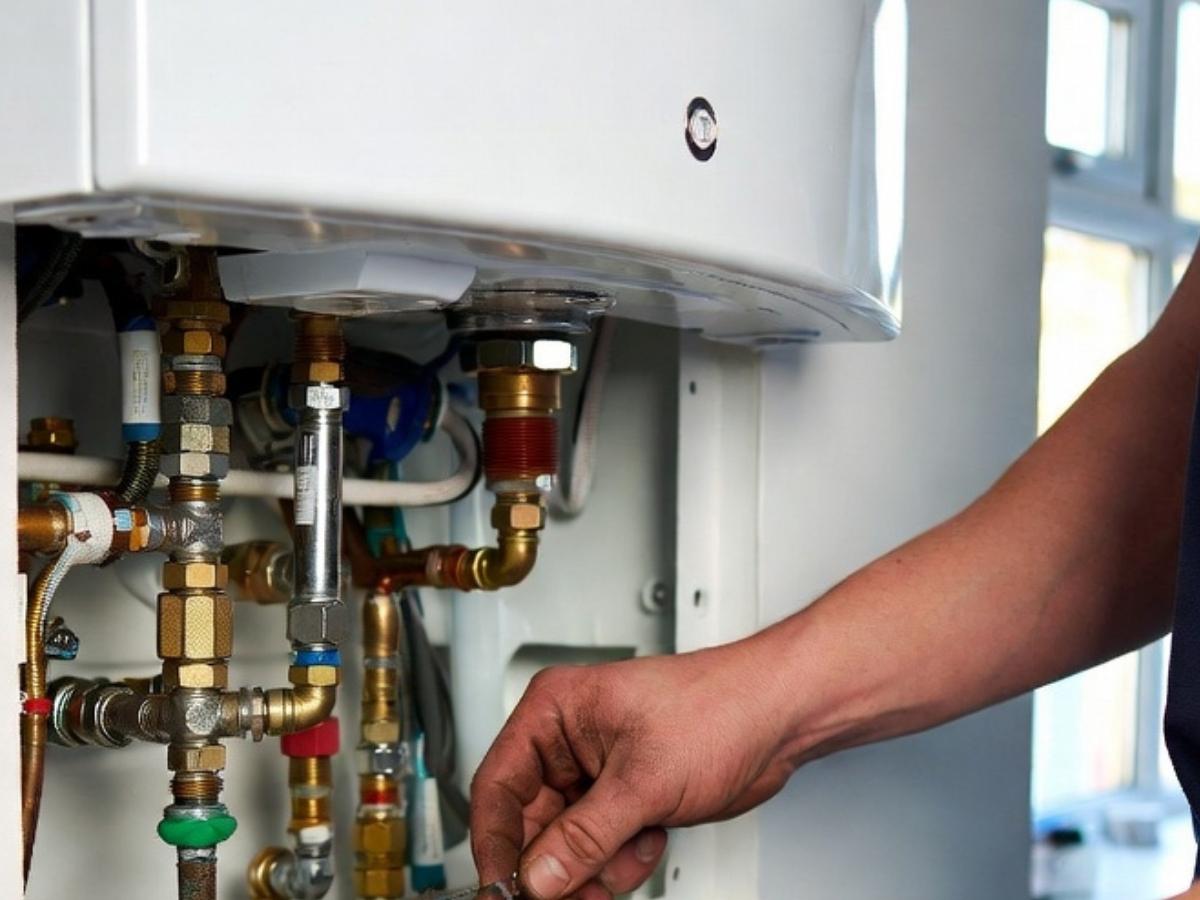
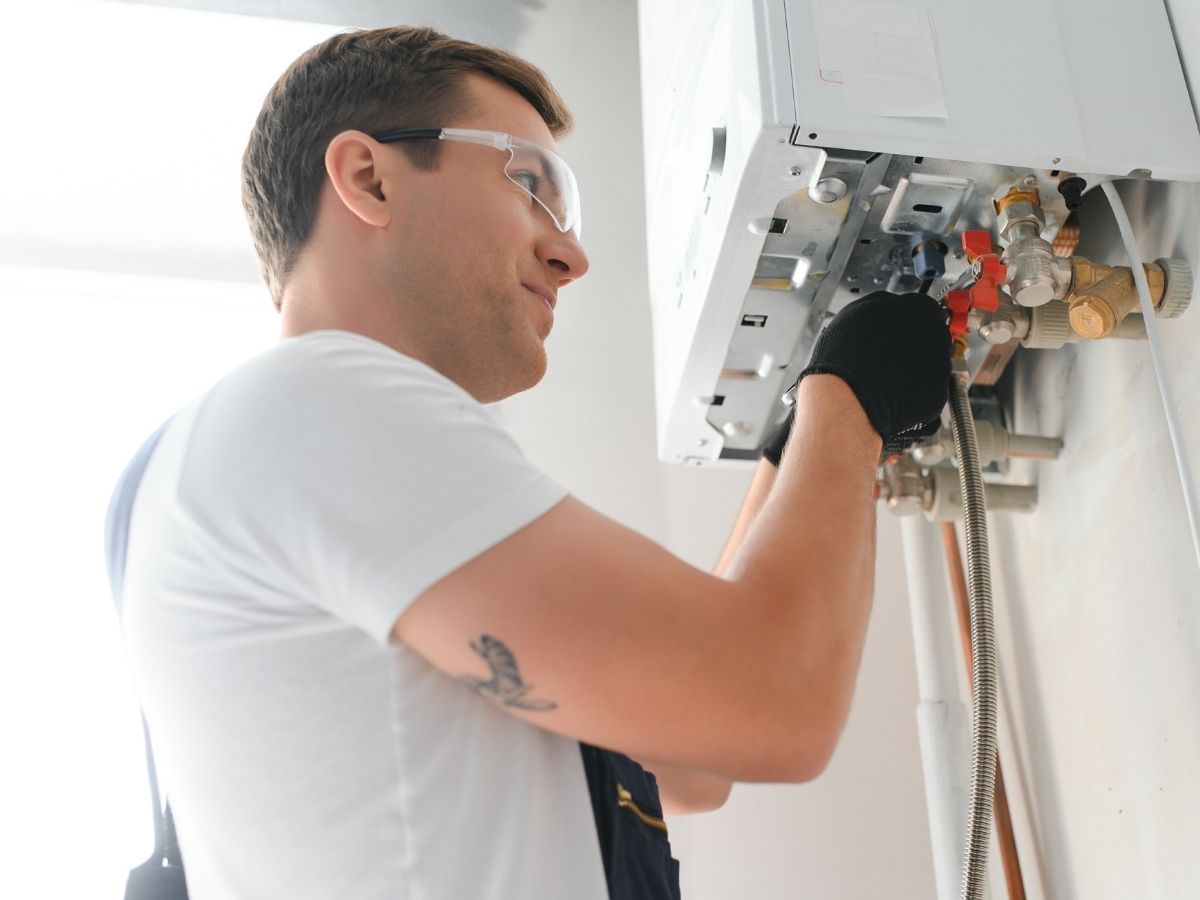
During a new installation, a GasSafe registered engineer will drain and decommission your old loft tanks. One benefit of removing these tanks is the elimination of old pipes that no longer lead anywhere. A professional installer will ensure these are capped off correctly to prevent stagnant water or leaks.
Reclaiming Your Airing Cupboard
The removal of the hot water storage cylinder is often the highlight for homeowners. Once the cylinder is gone, you gain a significant amount of storage space. Some people use this room to install a larger shower tray or a storage unit.
Is a Tankless System Right for Your Home?
While modern combi boilers are fantastic space-savers, they aren’t the perfect solution for every single property. It is important to weigh the pros and cons before you decide.
Comparing the Advantages of Combi Boilers
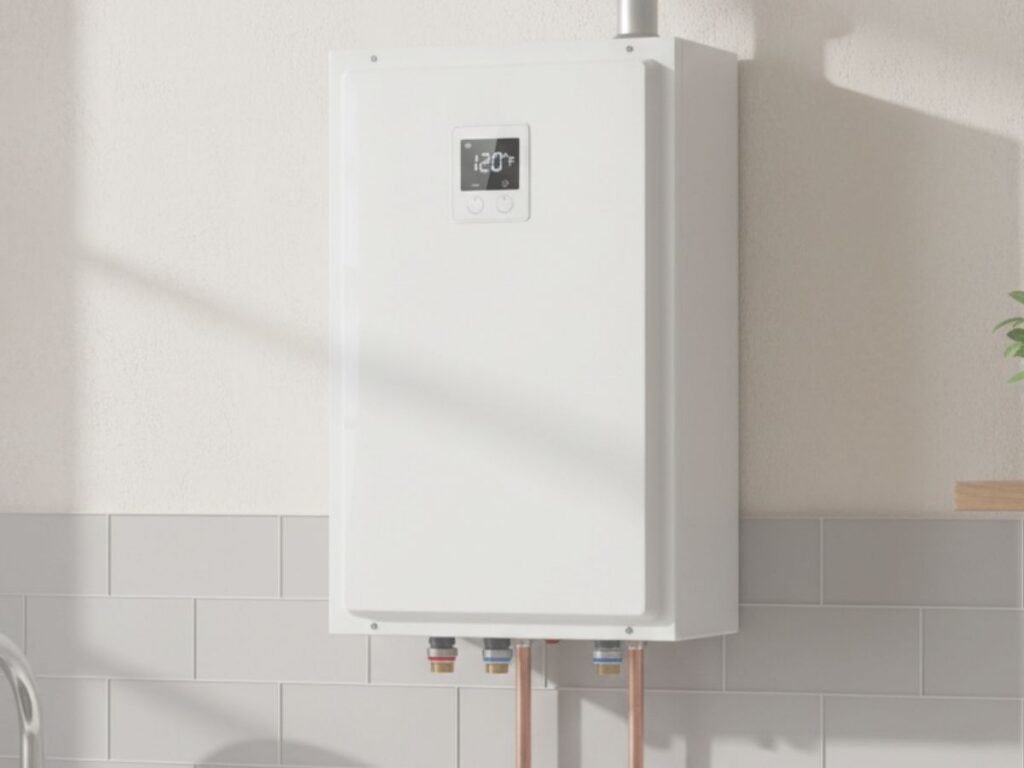
The main reason homeowners choose a combi is convenience. You get a constant hot water supply without waiting for a tank to refill. They also reduce heat loss because you aren’t paying to keep a large volume of water hot in a cylinder all day. Because they are compact, they can be hidden away inside a kitchen cupboard. Learn more about the benefits of a combi boiler.
Potential Disadvantages to Consider
The main drawback is that they rely entirely on your water pressure. If your local pressure is low, the flow in your shower might feel weak. Additionally, if someone turns on a tap in the kitchen while you are in the shower, you might notice a drop in temperature.
Comparing Combi Units to System Boilers
System boilers are a middle ground. Like a combi, they take water from the mains, so you don’t need a tank in the loft. However, they still require a separate hot water cylinder. This is often the best choice for homes with three or more bathrooms where people use multiple showers at once.
The Difference Between Combis and Regular Boilers
A conventional boiler (also known as a regular boiler) is the type that requires both a cylinder and a loft tank. These are usually found in older properties. While they are great for handling high demand, they take up a lot of space. For most modern homes, they are only boilers worth considering if the existing pipework cannot handle higher pressure.
Conclusion
Understanding whether a combi boiler has a water tank is the first step in modernising your home’s heating. For the vast majority of people, the answer is a clear “no.” By choosing a combi system, you remove the clutter of loft tanks and cylinders while enjoying hot water that never runs out. Every radiator in your home will heat up faster and your energy bills will likely decrease.
At Premier Gas, we provide expert advice based on over 20 years of experience helping homeowners in the North East. We understand that every property is unique, which is why we offer various options to suit your specific needs. If you are unsure whether your home has the right water pressure for a tankless system, or if you want to know how much space you could save, we are here to help. Our team can provide a professional assessment to ensure you get a reliable, energy-efficient system that fits your lifestyle perfectly.
Ready to reclaim your cupboard space and upgrade to a modern heating system? Get in touch with Premier Gas today for a professional assessment and a new boiler quote.