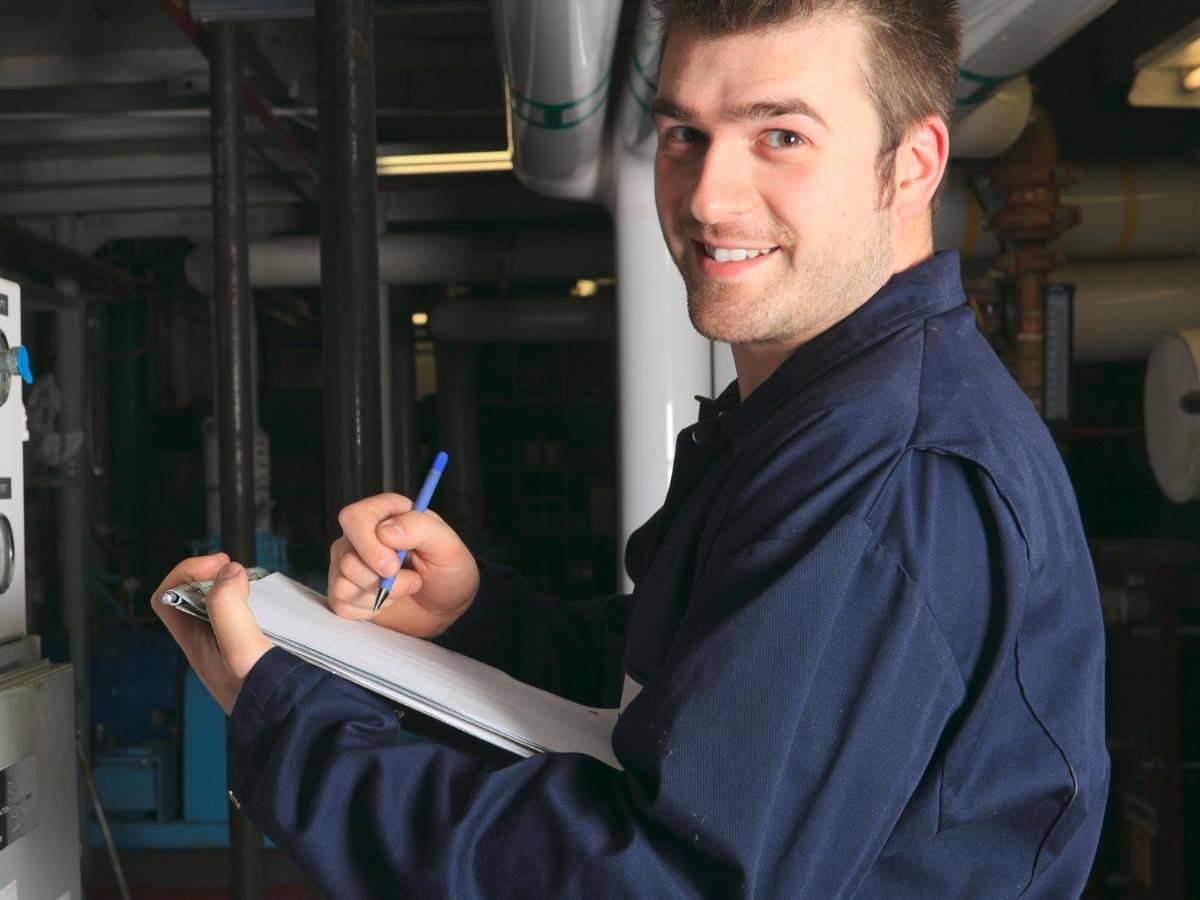
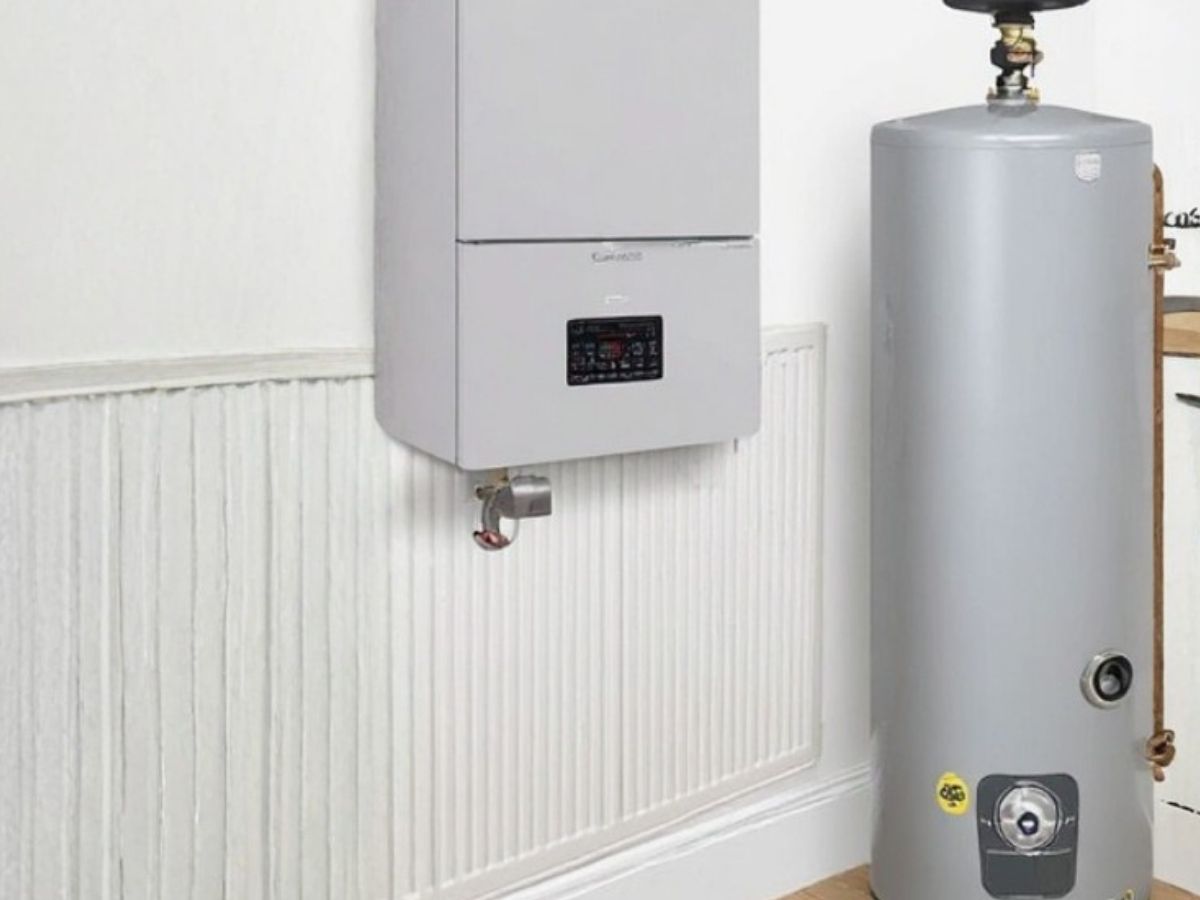
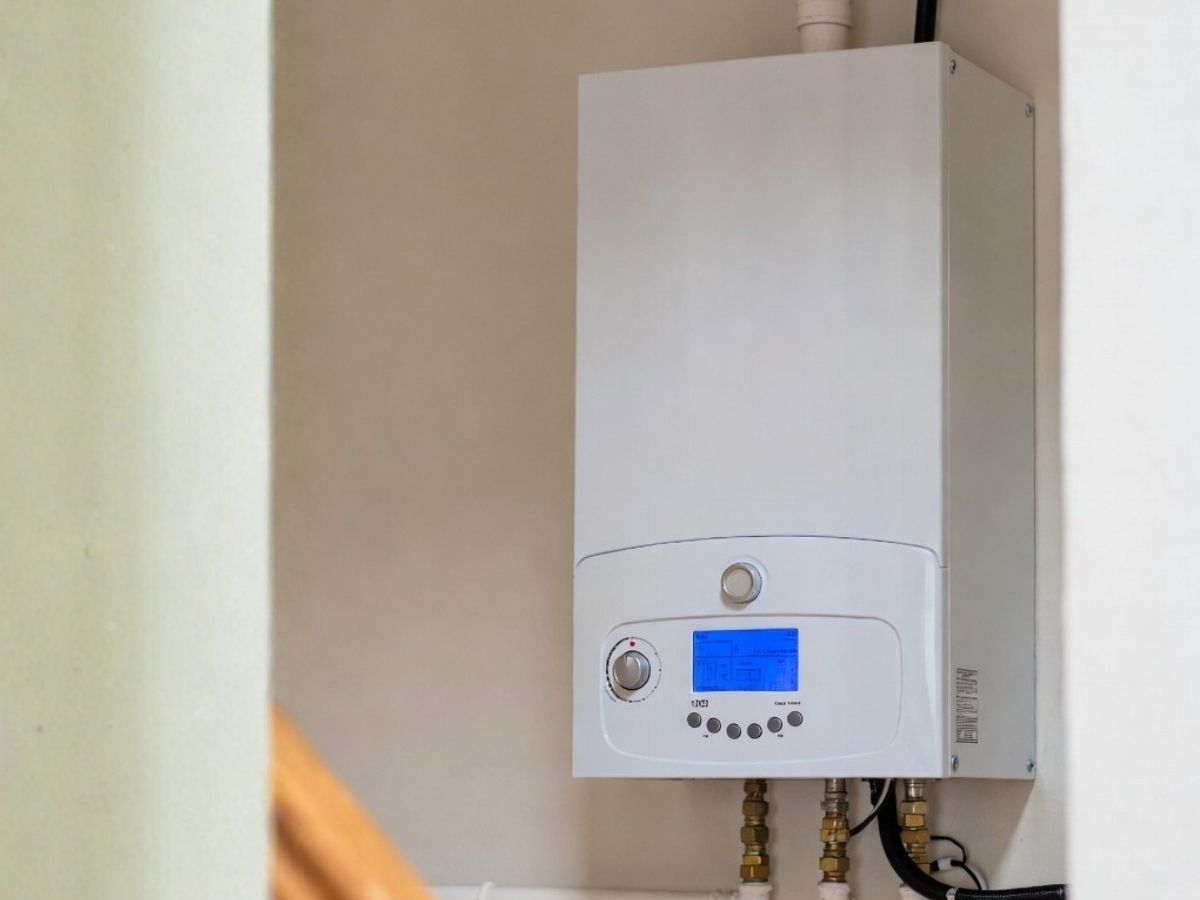
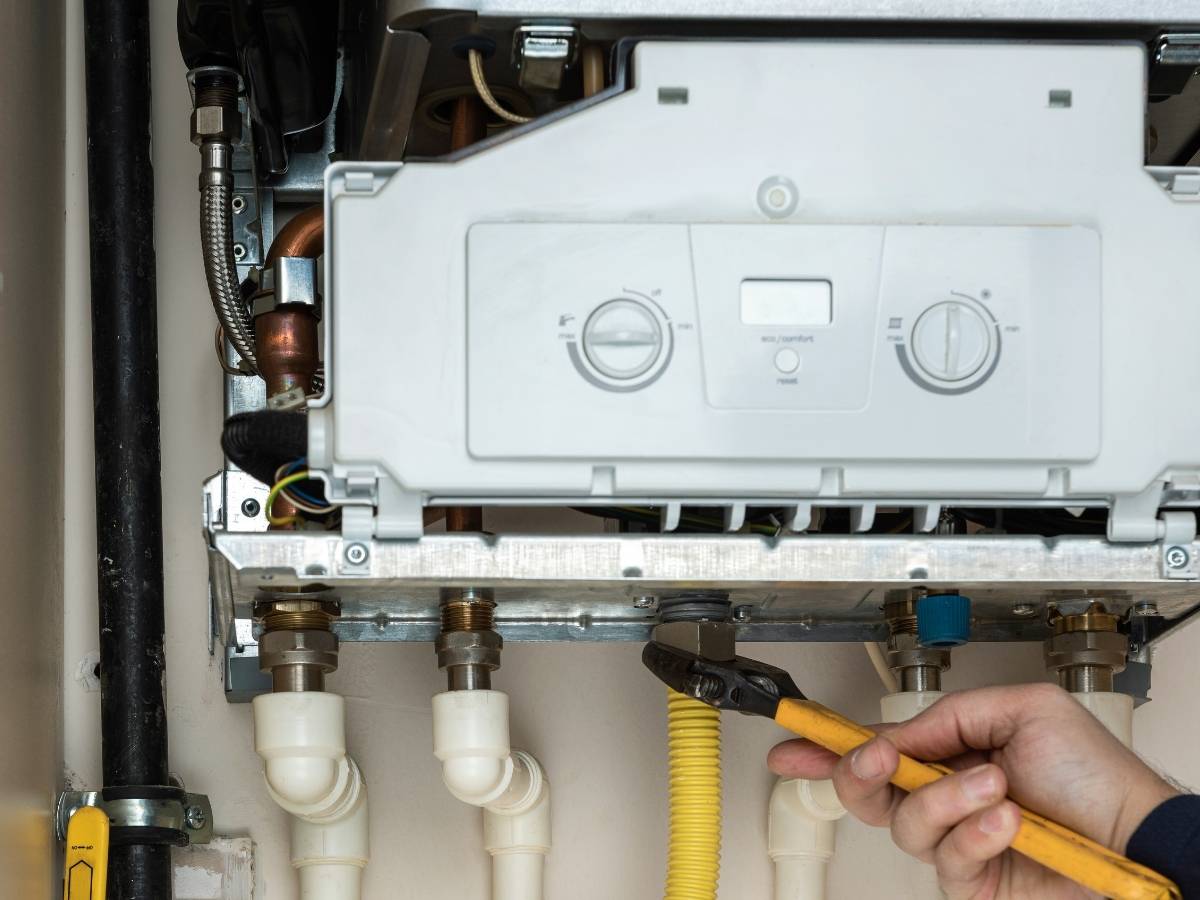
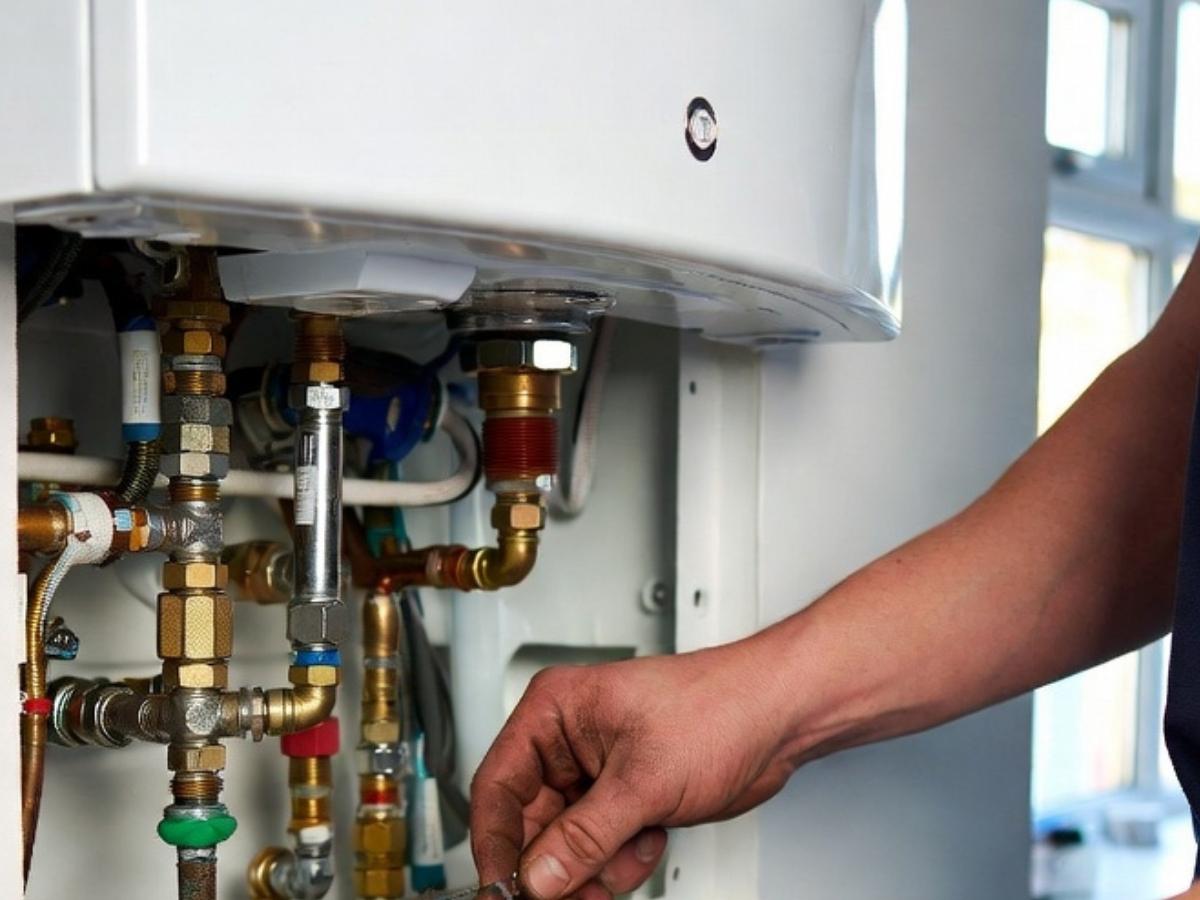
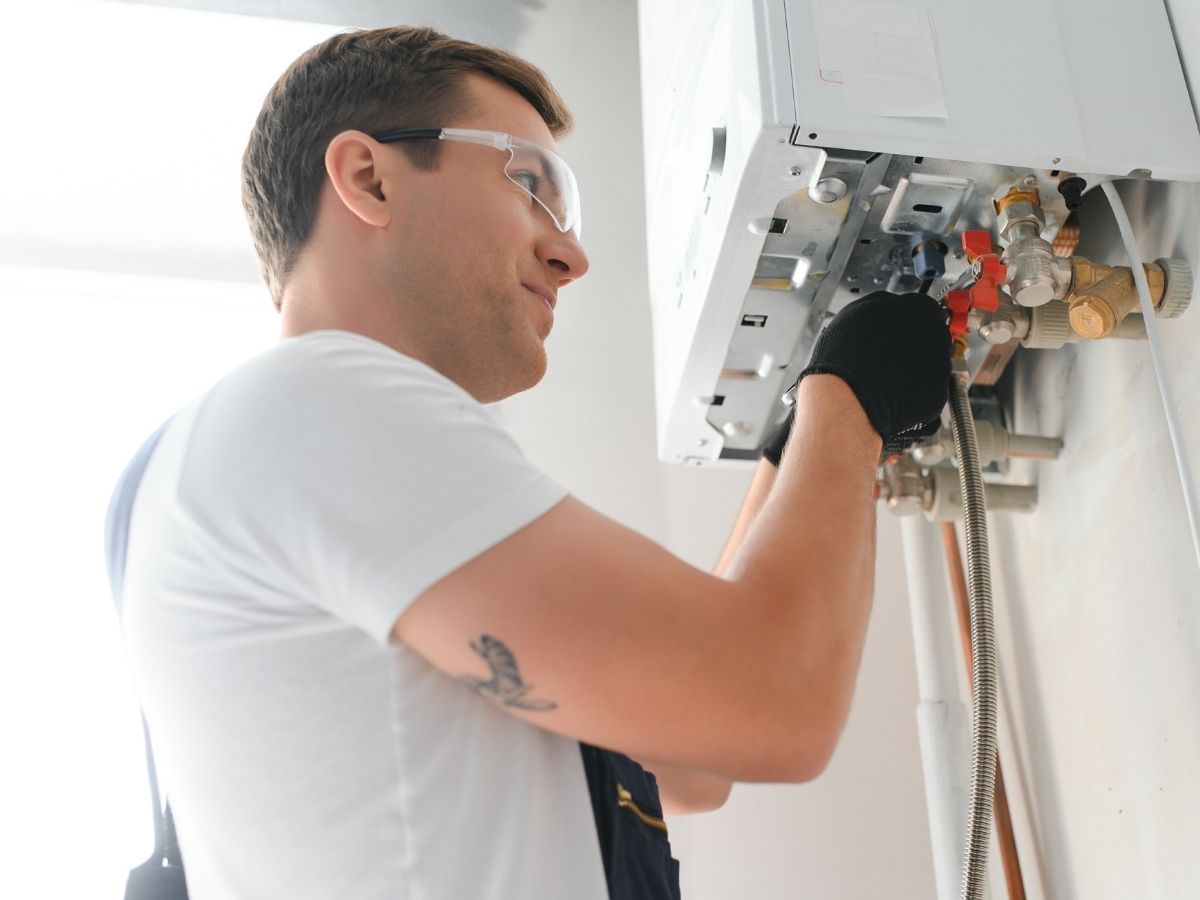
A gas engineer is a GasSafe registered professional trained to install, service, and repair gas appliances and pipework safely and legally.
They handle everything from boiler servicing and emergency safety checks to full system installations, and must hold an ACS qualification renewed every five years.
Always verify a gas engineer’s GasSafe ID card before allowing any work on your home.
Most people only think about their gas engineer when the heating fails on a cold winter morning. You wake up to a freezing house, head to the boiler, and realise something is wrong. At that moment, you don’t just need a repairman; you need a specialist who understands the complex and potentially dangerous gas systems that keep your home warm. If you’re unsure whether your system is safe, our boiler fault finding guide can help you identify common warning signs before calling a professional.
A gas engineer is a highly trained professional who installs, services, and repairs natural gas appliances and pipework. Their job is to make sure that the gas in your home stays where it should be and burns safely. Because gas is flammable and can produce carbon monoxide if not handled correctly, this role is strictly regulated in the UK.
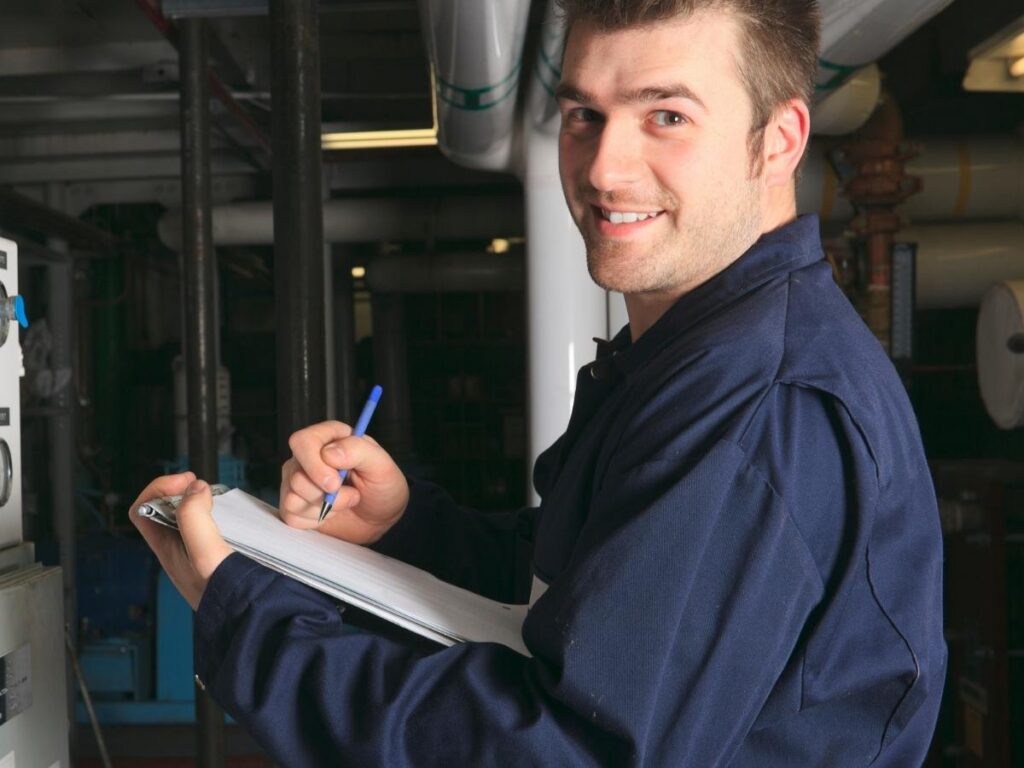
A Detailed Gas Engineer Job Description
When you ask, “what is a gas engineer?”, many people answer with “the person who fixes the boiler.” While a boiler service or repair is a huge part of the job, the role is much broader. A professional must understand every type of gas appliance, from fires to hobs.
Installation and Commissioning
One of the primary tasks is installing new equipment. This could be a modern energy-efficient boiler, gas cookers, or a kitchen hob. It isn’t as simple as just plugging it in. An engineer must “commission” the appliance. This means performing a series of technical tests to ensure the gas pressure is correct and that the unit is safe to turn on for the first time. Wondering how long this takes? Our boiler installation timeline guide walks you through exactly what to expect.
Routine Servicing and Gas Heating Systems
Think of a gas engineer like a mechanic for your house. Just as a car needs an MOT, your gas heating systems need an annual service. During a service, the engineer cleans internal parts, checks for wear and tear, and ensures the unit is running as efficiently as possible. They might also check your thermostatic radiator valves to ensure you have full control over the temperature in each room. To understand exactly what this involves, read our essential checklist for your boiler service. This helps prevent breakdowns before they happen and keeps your energy bills lower.
Emergency Safety Checks
Safety is the most critical part of the job. Gas engineers are trained to detect gas leaks and check for the presence of carbon monoxide. They use specialist equipment to test the air and the “flue” (the pipe that carries exhaust gases outside). If they find a fault that could put lives at risk, they have the authority and the duty to “cap off” the supply until it is made safe. This is why it is so important to find a safe engineer. Our guide to GasSafe registered professionals explains what this registration means and how to verify it.
Pipework and Infrastructure
Beyond the appliances you can see, gas engineers look after the hidden parts of your home. They manage the copper or steel pipes that carry gas from the meter to the rest of the house. Ensuring these pipes are “gas-tight” is a fundamental skill that requires precision and careful testing.
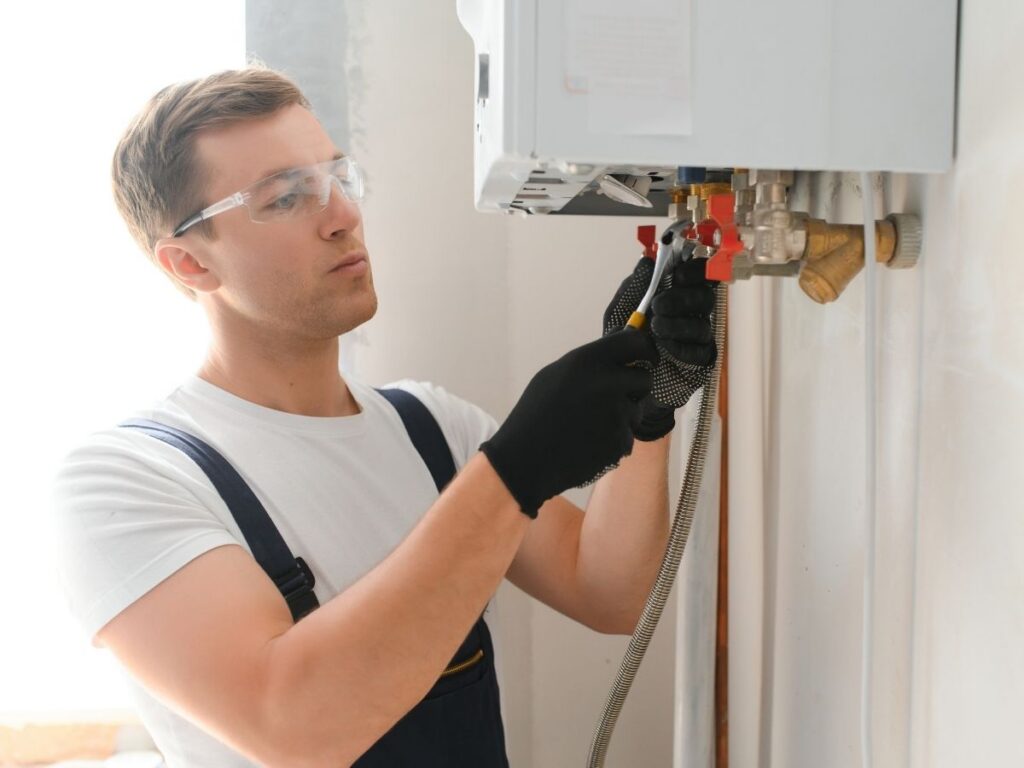
Education, Courses and Qualifications: How to Spot a Real Professional
In the UK, the law is very clear about who can work on gas. It is not a job for a DIY enthusiast or an unregistered handyman. To work legally, an engineer must meet specific standards through rigorous education.
The GasSafe Register: Finding a Safe Engineer
The GasSafe Register is the official list of businesses that are legally allowed to carry out gas work. Every professional working with domestic gas must be on this list. It is actually a criminal offence for anyone to work on a gas appliance in your home if they are not on this register.
ACS Assessments and Industry Courses
Getting qualified once isn’t enough. To stay on the GasSafe Register, engineers must complete specific courses and pass gas assessment training (ACS) every five years. This ensures that their knowledge is up to date with the latest safety laws and technical advancements. Because there is a high demand for gas engineers, these standards are strictly enforced to keep the public safe.
Essential Training and Career Path
For those starting a career in this field, the career path often begins with an apprenticeship. This allows a trainee to learn both the technical expertise and practical knowledge required on the job. They will learn about domestic gas heating systems and how to safely install other gas appliances. After their initial training, many gas engineers choose to take further training to specialise in areas like renewable energy or commercial heating. If you’re considering a new system, our overview of energy-efficient heating options in the UK covers the most practical modern alternatives.
Gas Engineer vs. Plumber: Choosing the Right Expert
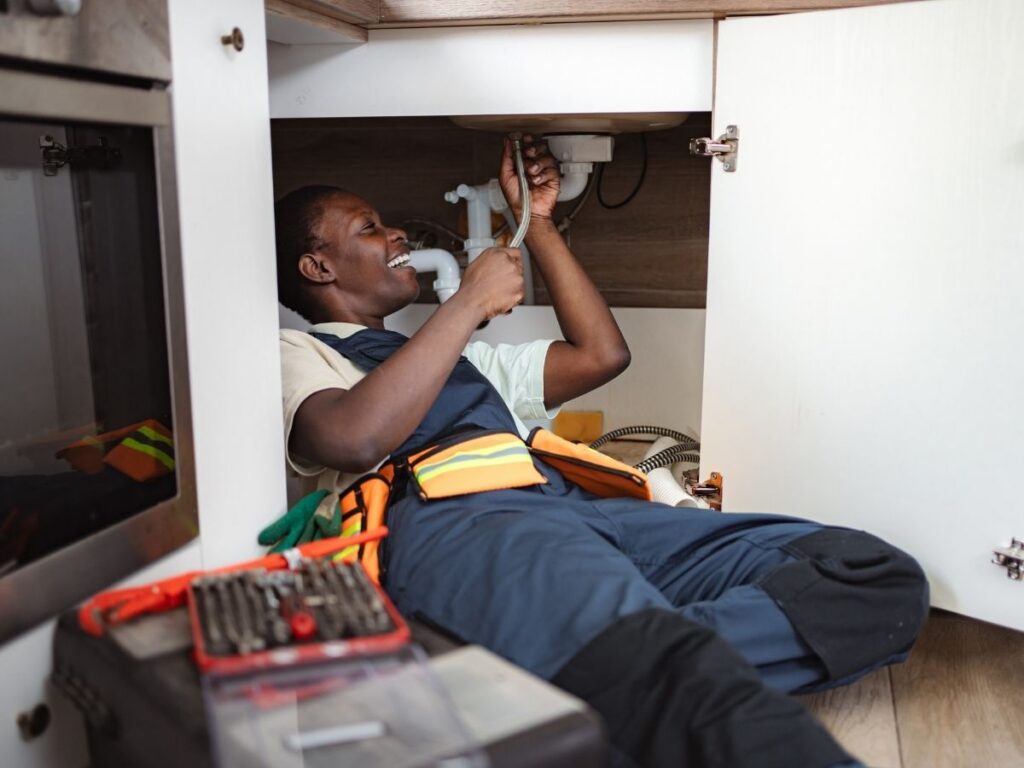
There is often a lot of confusion between plumbing and heating roles. While they often work in the same parts of the house, their roles are very different under the law.
The “Water vs. Gas” Rule for an Engineer
A simple way to remember the difference is the “Water vs. Gas” rule. If you have a leaking tap or a blocked toilet, you need a plumber. Premier Gas also offers a full range of plumbing services in Newcastle for water-side issues. However, the moment the job involves the gas supply or the internal components of a boiler, you must use a gas engineer. A plumber is not legally allowed to touch a gas pipe unless they have the necessary qualifications.
Gas Engineer Skills and Professionalism
A good gas engineer needs more than just technical ability. They also need good communication skills to explain complex issues to homeowners. Before booking any professional, it’s worth reviewing the questions to ask before hiring a heating contractor so you know exactly what to look for. When you call engineers to your home, you want someone who is professional and clear. Often, a team of engineers may be required if the job is large, such as a full system replacement.
A Step-by-Step Guide to a Professional Service
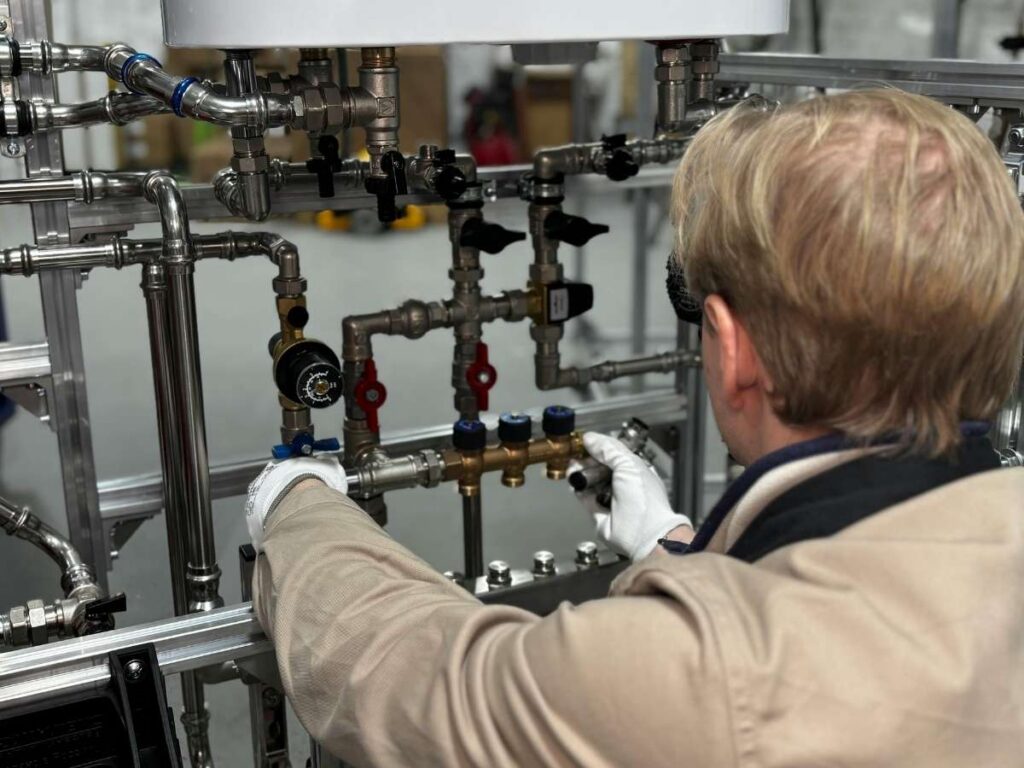
If you have booked a visit from a professional, you should know what a standard, safe appointment looks like.
The ID Card Check and Different Certifications
Every registered engineer carries a yellow GasSafe ID card. On the back, it lists the different certifications they hold. This tells you exactly what they are allowed to fix. A professional will never be offended if you ask to see this card.
The Inspection Process
A modern gas engineer uses digital tools to check the health of your system. They will perform a “tightness test” on your gas meter to ensure there are no tiny leaks anywhere in your pipework. They also look at various job types, from simple inspections to complex part replacements, always putting safety first.
After-Service Paperwork
Once the job is done, you should receive paperwork. This is your proof that a legal professional has verified the safety of your home. Whether it is a landlord certificate or a service record, keep these documents safe for your records.
Why a Local Expert is Your Best Choice
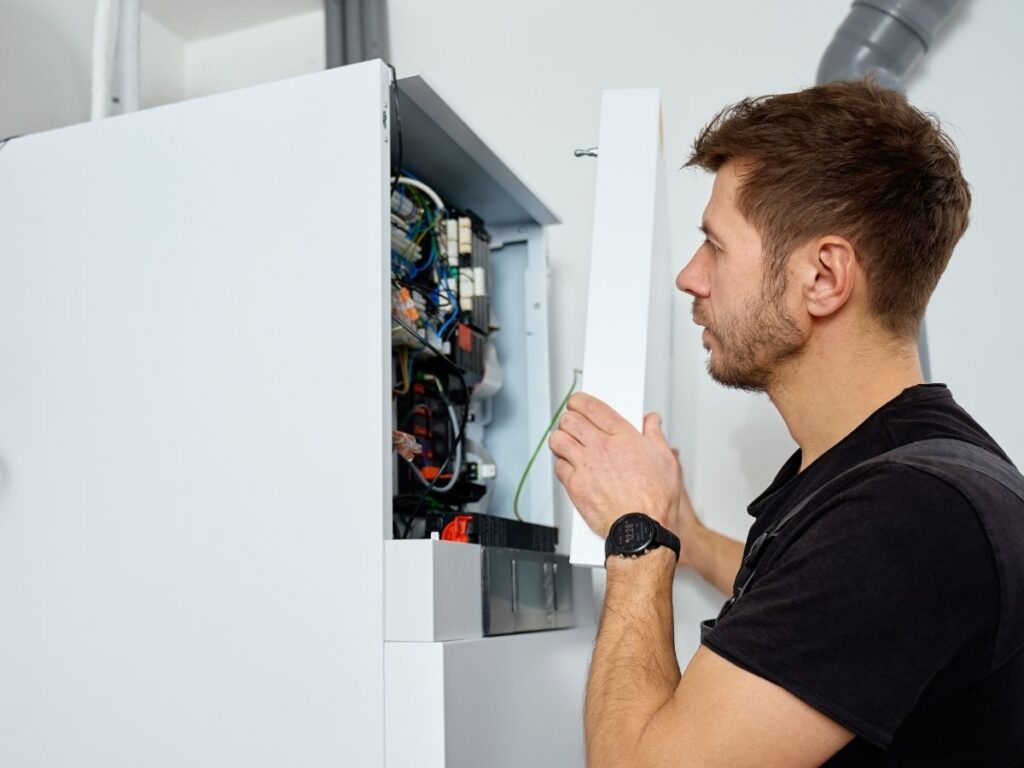
While there are many national companies, there are distinct benefits to choosing a local expert with deep roots in the gas industry.
20 Years of Diagnostic Intuition
Qualifications tell you an engineer knows the rules, but experience tells you they know the “quirks.” With over 20 years of experience, a seasoned expert has developed a diagnostic intuition. They can often hear a specific sound in a pump or notice a slight discolouration in a flame that a less experienced person might miss. This saves you time and money on unnecessary parts. If you suspect something is already wrong, our combi boiler troubleshooting guide covers the most common faults and what they mean.
Understanding Local Housing
Housing in Newcastle and Gateshead has specific styles, from Tyneside flats to older semi-detached homes. Each type of property often has similar boiler setups and common pipework issues. A local professional who has worked in thousands of these homes knows exactly what to look for and how to navigate the specific challenges of local property types.
Conclusion
When it comes to your home, safety is not an area where you should take a gamble. A gas engineer is much more than a repair person; they are a highly trained professional dedicated to keeping your family safe and your home warm. They bridge the gap between complex engineering and household comfort. By choosing a GasSafe registered expert with a proven track record, you are investing in peace of mind.
Don’t leave your home’s safety to chance. If you need a reliable expert to look at your boiler or gas appliances, reach out to the friendly Premier Gas team today for a professional assessment backed by 20 years of local trust.