It is a cold winter morning in the North East. You wake up and notice the house feels chilly. You head to the shower, but the water is barely lukewarm. When you check your boiler, you see the needle on the dial is sitting at zero. You might find yourself asking, why does boiler pressure drop so suddenly? This is a classic sign of a drop in boiler water pressure and is a common problem for many homeowners.
Your boiler needs the right amount of water pressure to push heating around your home. When that pressure falls, the central heating system might stop working entirely. While it can feel like a disaster, many causes of low boiler pressure are easy to identify. This guide will help you understand why your pressure is falling and what you can do to fix it. We will look at everything from a simple leak to the hidden impact of system sludge.
Understanding the Basics: What is Normal Boiler Pressure?
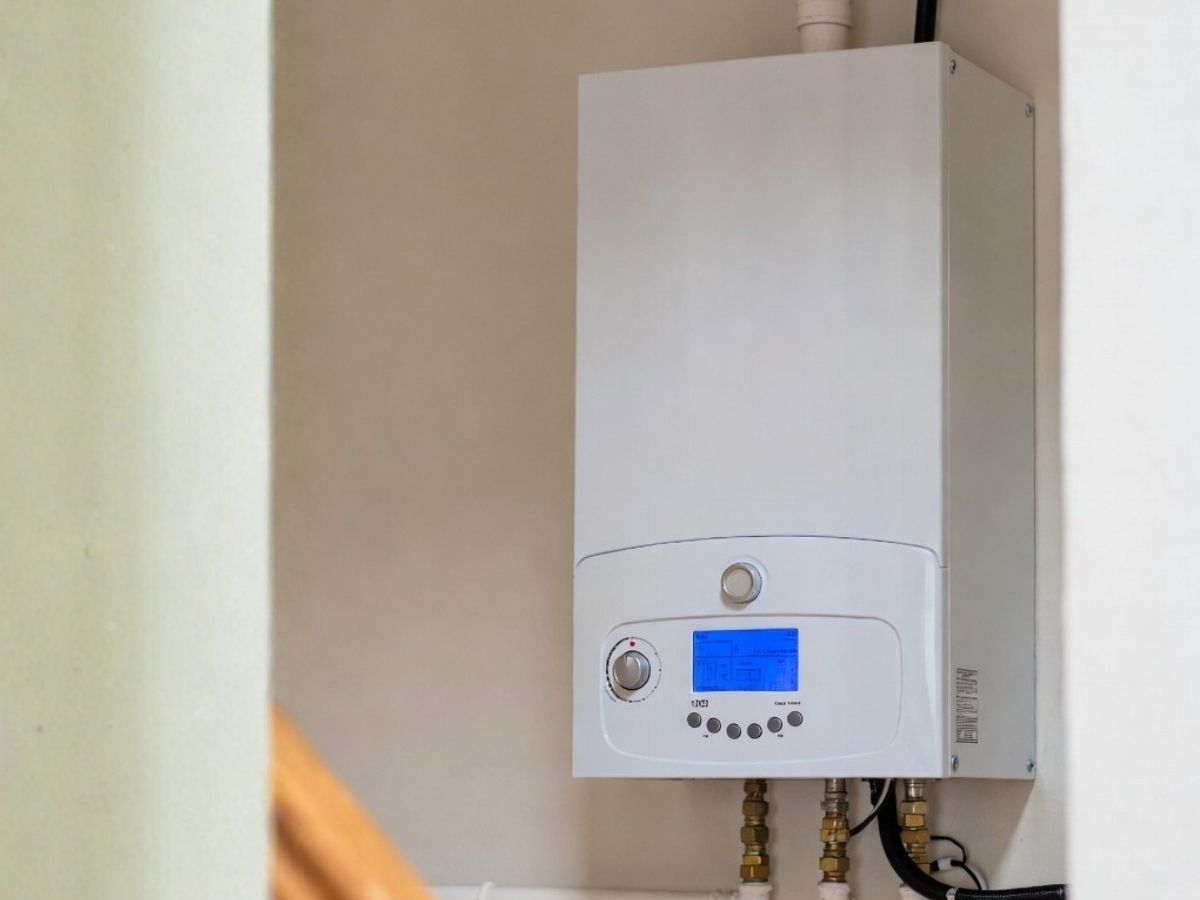
Before you can fix a fault, you need to know what the correct pressure looks like for a healthy system. Most boilers have a pressure gauge on the front panel. This might be a physical gauge with a needle or a digital display on a screen.
Monitoring the Pressure Gauge
For most UK central heating setups, the normal boiler pressure is between 1.0 and 1.5 bar when the system is off and the radiators are cold. Many gauges have a green section to show this safe range. If the needle falls below 1.0 bar, your heating system may struggle to work. If it hits 0.5 bar or lower, most modern combi boilers will shut down as a safety measure.
Pressure Changes During Cold Weather
It is normal for the water pressure to change slightly based on the temperature. When your heating is running, the water inside the pipes gets hot and expands. This makes the pressure rise. You might see the needle move up to 2.0 or 2.5 bar while the boiler is active.
This is typical and should not cause alarm. However, you should be worried if the pressure level stays very high or if you notice a significant boiler pressure loss when the system cools down during cold weather. Persistent fluctuations often point to underlying boiler issues with an internal faulty boiler part.
Common Causes of Pressure Loss in Your Heating System
There are several reasons why your boiler and heating system might be losing water. Professional engineers in Newcastle and Gateshead often find these causes during residential calls.
1. Finding a Boiler Leak or Pipe Leakage
The most common reason for a boiler pressure drop is a leak. Because the heating system is a sealed loop, any gap will let water escape. Even a tiny opening can lead to a total system shutdown over time.
Check your radiator valve and heating pipework connections first. These are common spots for “weeps,” which are very slow types of water leakage. You might not see a puddle, but you might notice a green or white crusty build-up around the valve. This shows that water has been escaping and drying up.
2. Investigating Internal Boiler Leakage
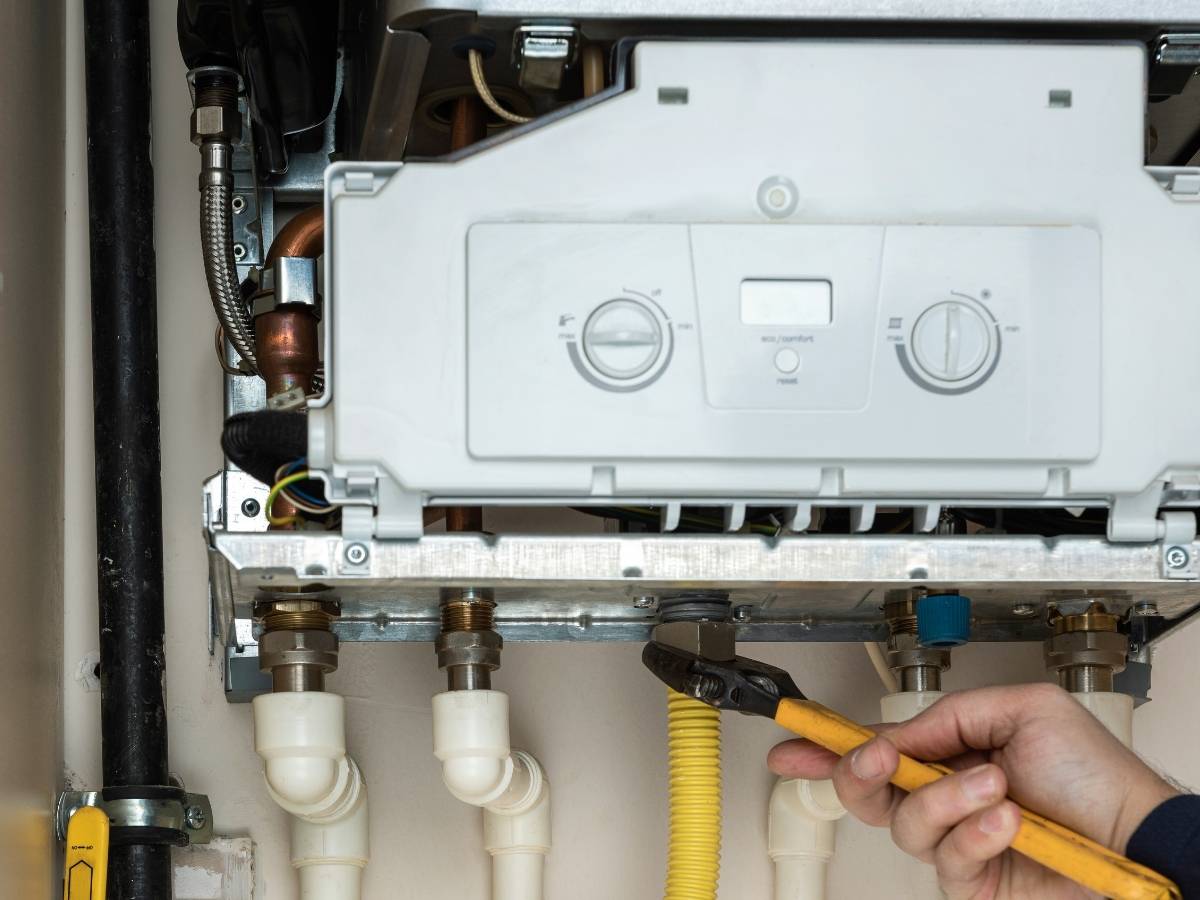
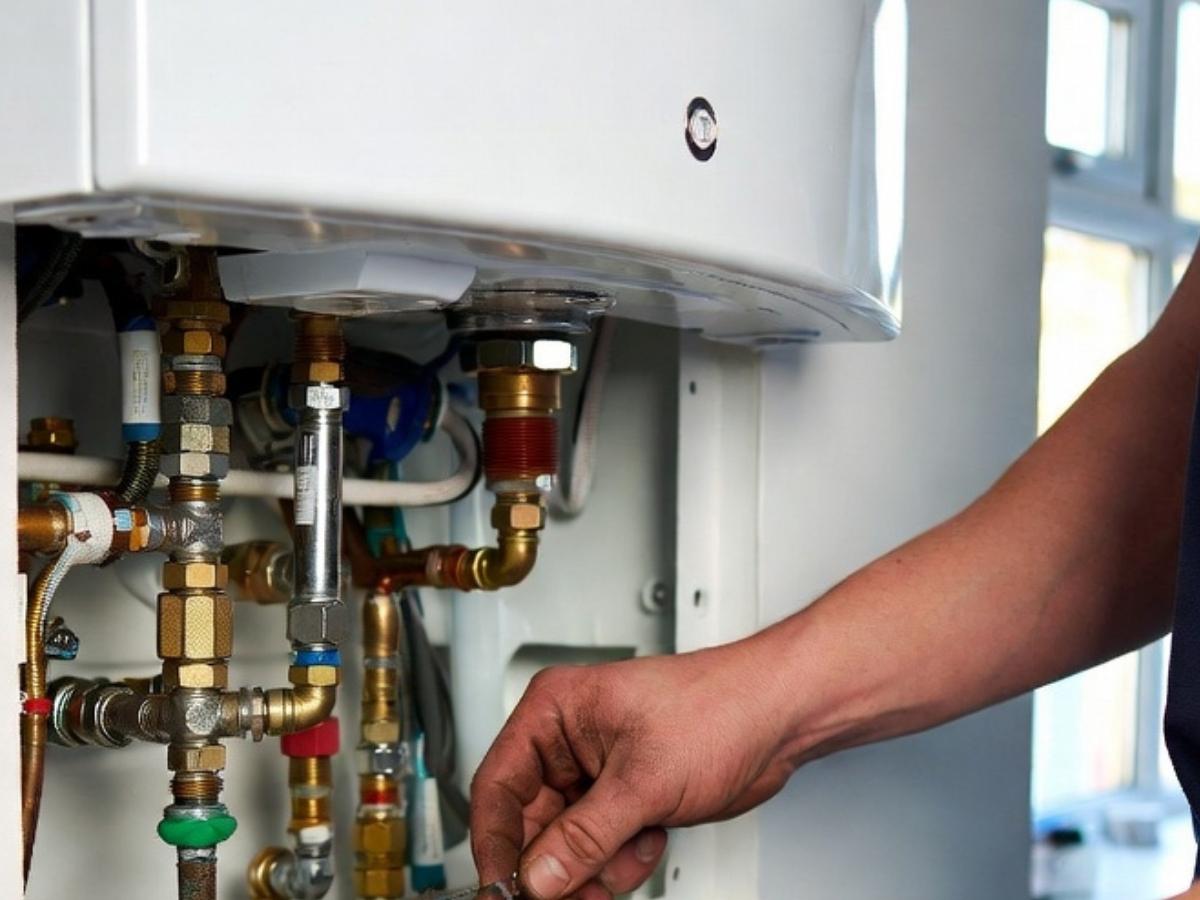
You should also check the pipework under your boiler for any sign of a boiler leak. If you see any water leakage dripping from the bottom of the unit, you should turn the boiler off immediately. Internal leaks can damage sensitive boiler parts, such as the circuit board, leading to much higher repair costs than a simple pipe fix.
3. Bleeding Radiators and Water Pressure
Many people bleed their radiators to get rid of cold spots. This is a great way to keep your home warm, but it does impact your boiler water pressure. When you let air out of a radiator, you are also reducing the total volume of fluid in the central heating system.
If you have recently bled all the radiators in your house, you will almost certainly need to top up the system pressure afterwards. If you forget to do this, the boiler might not start the next time it tries to fire up. This is a very common cause of low boiler pressure after seasonal maintenance.
4. Identifying a Faulty Pressure Relief Valve
The pressure relief valve is a vital safety device. It is designed to let water out of the boiler if the pressure gets too high. However, a faulty pressure relief valve can sometimes get stuck open or become damaged by grit and debris.
You can check this by looking at the small copper pipe that goes through your outside wall. This is called the discharge pipe. If you see water dripping or running from this pipe while the boiler is off, it is a sign of a fault with that specific valve. It is constantly letting water escape, which causes your pressure loss.
5. Issues with the Expansion Vessel
The expansion vessel is one of the most important boiler parts. It contains a rubber diaphragm that acts like a cushion when the water expands. If this part fails, the pressure will shoot up very quickly when the heating is on.
To protect the boiler from exploding or cracking, the pressure relief valve will let some water out. Once the system cools down, the pressure will then be too low. This cycle repeats every time you use the heating, putting massive stress on the heating system.
6. Corrosion and Heat Exchanger Damage
Over time, the water inside your central heating can react with the metal in your radiators and pipework. This leads to corrosion. If the heat exchanger inside the boiler develops a tiny crack due to this corrosion, you will experience a constant drop in water pressure.
Because the heat exchanger is one of the most expensive boiler parts to replace, it is important to use a corrosion inhibitor in your heating system. This liquid helps protect the metal and maintains normal boiler pressure for much longer. Regular boiler servicing can help identify corrosion issues before they become serious problems.
7. Air Trapped in the Pump or Heat Exchanger
Sometimes, the pressure loss is not due to water leakage at all. Instead, it is caused by air pockets being moved through the system. If air is trapped inside the pump or the main heat exchanger, the boiler pressure gauge might show a steady drop as that air is slowly vented out through automatic valve systems.
Understanding Different Boiler Types
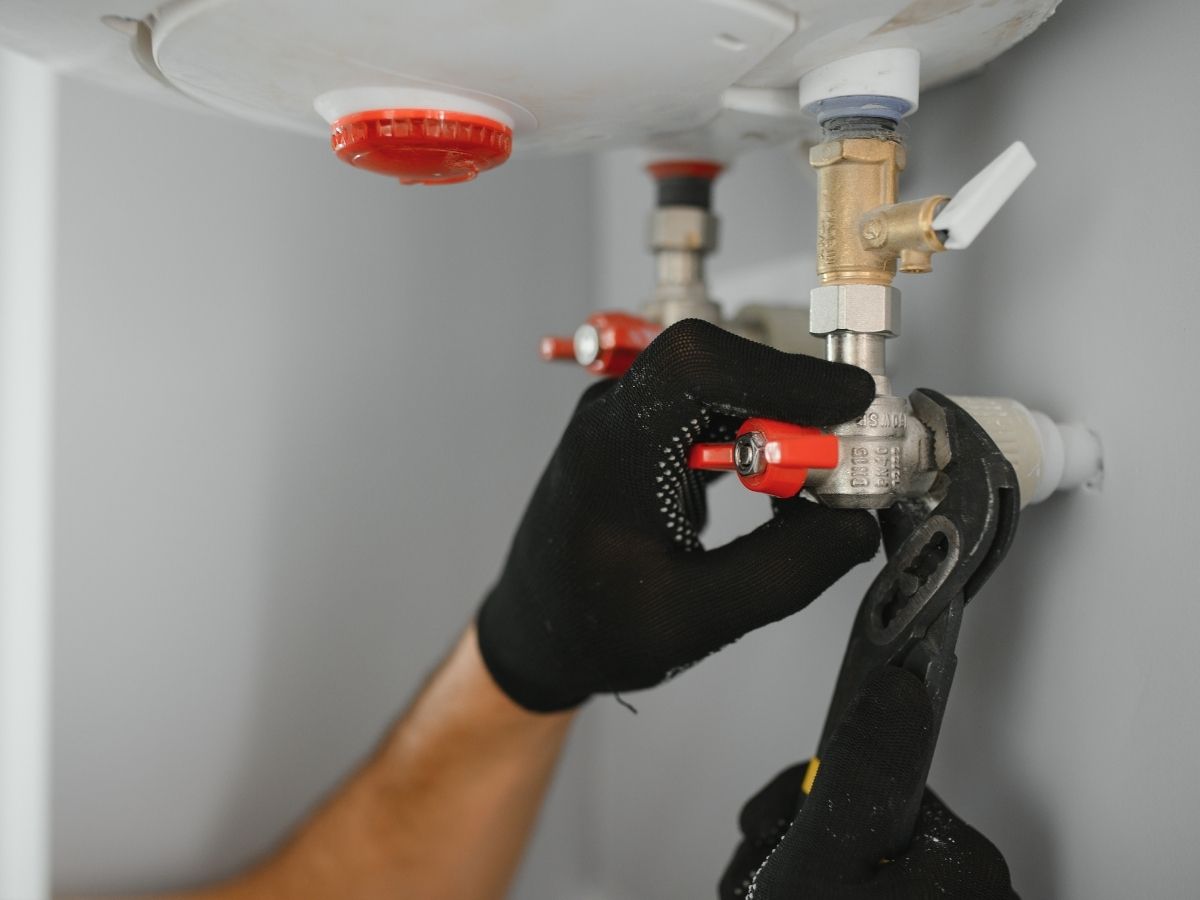
Whether you have a combi boiler, which provides hot water on demand, or system boilers that use a hot water cylinder, the process of maintaining pressure is similar.
- Combi Boiler: This type heats water directly from the cold water supply when you turn on a hot tap or taps. If you’re experiencing issues with your combi boiler, our combi boiler troubleshooting guide offers additional help.
- System Boilers: These work with a cylinder to store hot water but still require the correct pressure to function safely.
Regardless of the model, such as a Vaillant boiler, you should always check your boiler manual for specific advice on your pressure level. Excessive condensation around the unit can also sometimes mask a small leak, so keep the area dry to spot issues early.
Troubleshooting: How to Use a Filling Loop Safely
If you have low boiler pressure, you can usually top it up yourself using the filling loop. This is often a silver, flexible hose found underneath the boiler.
- Make sure the boiler is turned off and the system is cool.
- Locate the filling loop.
- Open both valves slowly to let cold water into the heating system.
- Watch the pressure gauge carefully.
- As soon as the needle reaches 1.2 or 1.5 bar, close both valves tightly.
Be extremely careful not to over-fill the system. If you have a faulty pressure gauge, the reading might not be accurate, so if the needle doesn’t move while you are adding water, stop immediately.
When to Call a Pro for Boiler Repairs
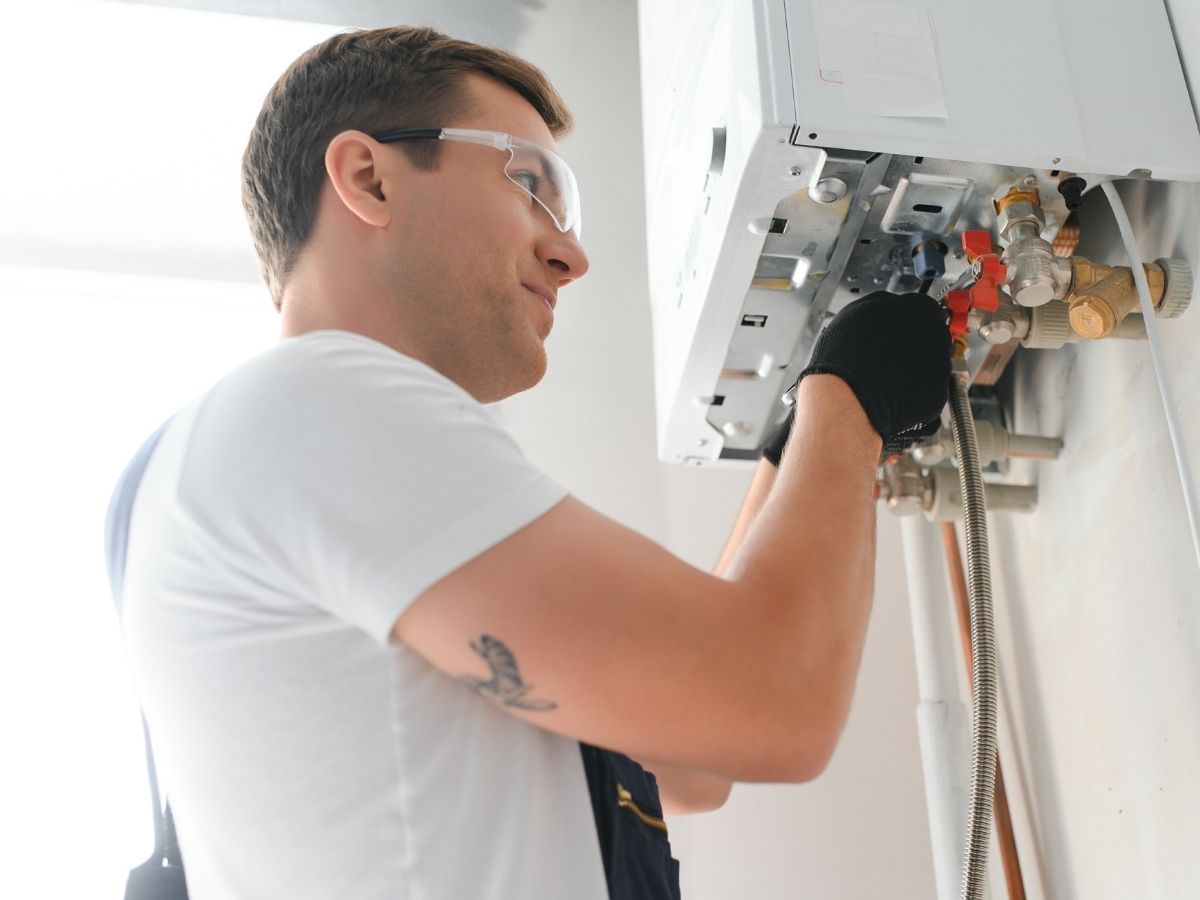
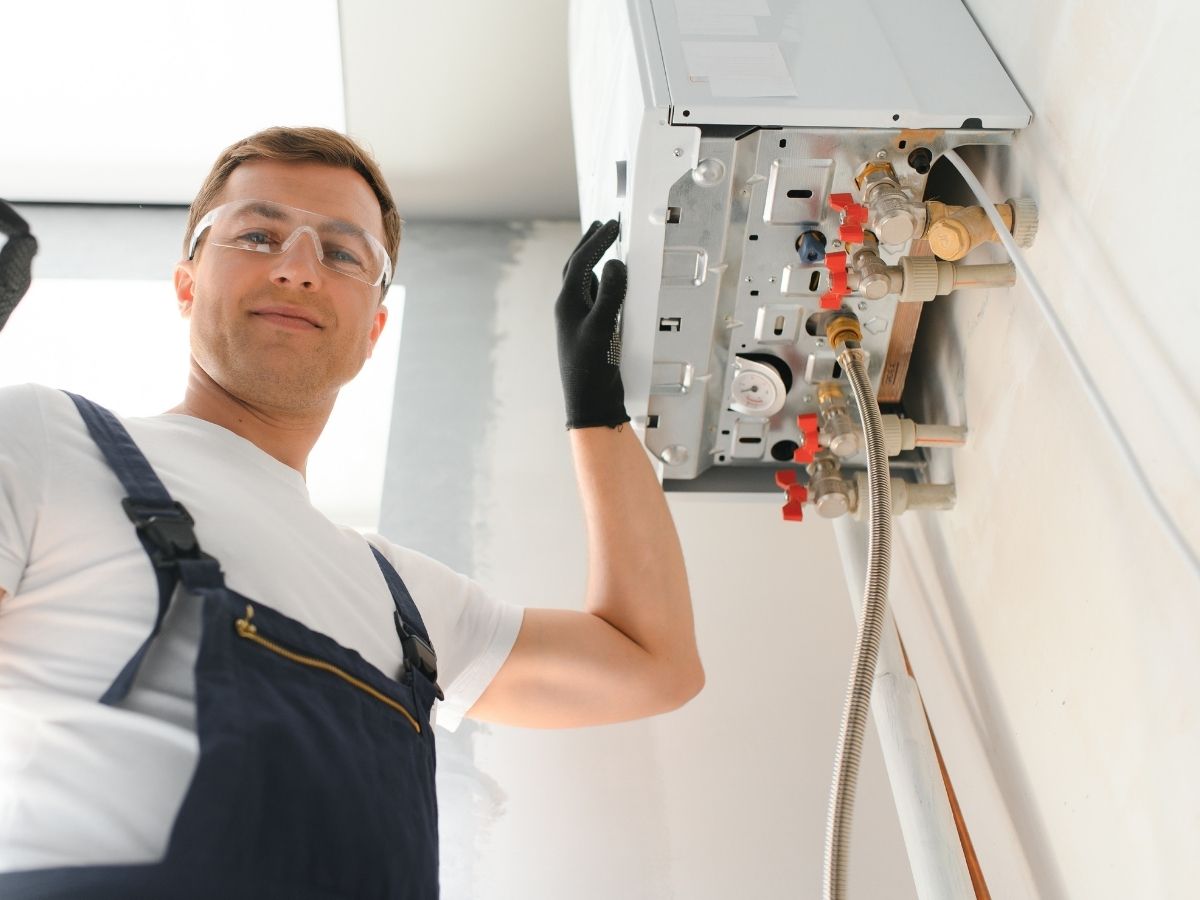
While topping up is a simple task, finding out why the drop happened often requires an expert. You should call a GasSafe registered boiler engineer if you have more questions or if you notice these red flags:
- You see a visible boiler leak or water leakage from inside the casing.
- You have to top up the water more than once a month.
- The boiler pressure gauge rises very fast when the heating is on.
- The boiler is making banging or whistling noises.
Never attempt to open the boiler casing to inspect boiler parts yourself. Only a qualified safe engineer or gas engineer should handle the internal components of a gas appliance. Whether you need a plumber for a pipe leak or a boiler engineer for a complex internal fault, getting professional advice is key.
Conclusion
A drop in boiler water pressure is usually a sign that your heating system needs a little bit of care. Whether it is a simple radiator leak or a faulty pressure relief valve, catching the problem early will save you money and keep your home warm. Frequent topping up is not a permanent solution and can lead to internal corrosion and expensive component failure.
Premier Gas has over 20 years of experience helping homeowners across Newcastle, Gateshead, and the North East with reliable heating solutions. As a GasSafe registered company, they focus on transparent pricing and high-quality repairs for all residential needs.
Stop struggling with a cold home and rising bills. Book your professional boiler diagnostic or service with Premier Gas today to get your heating back on track.